
Warning Signs of an Irregular Heartbeat You Should Never Ignore
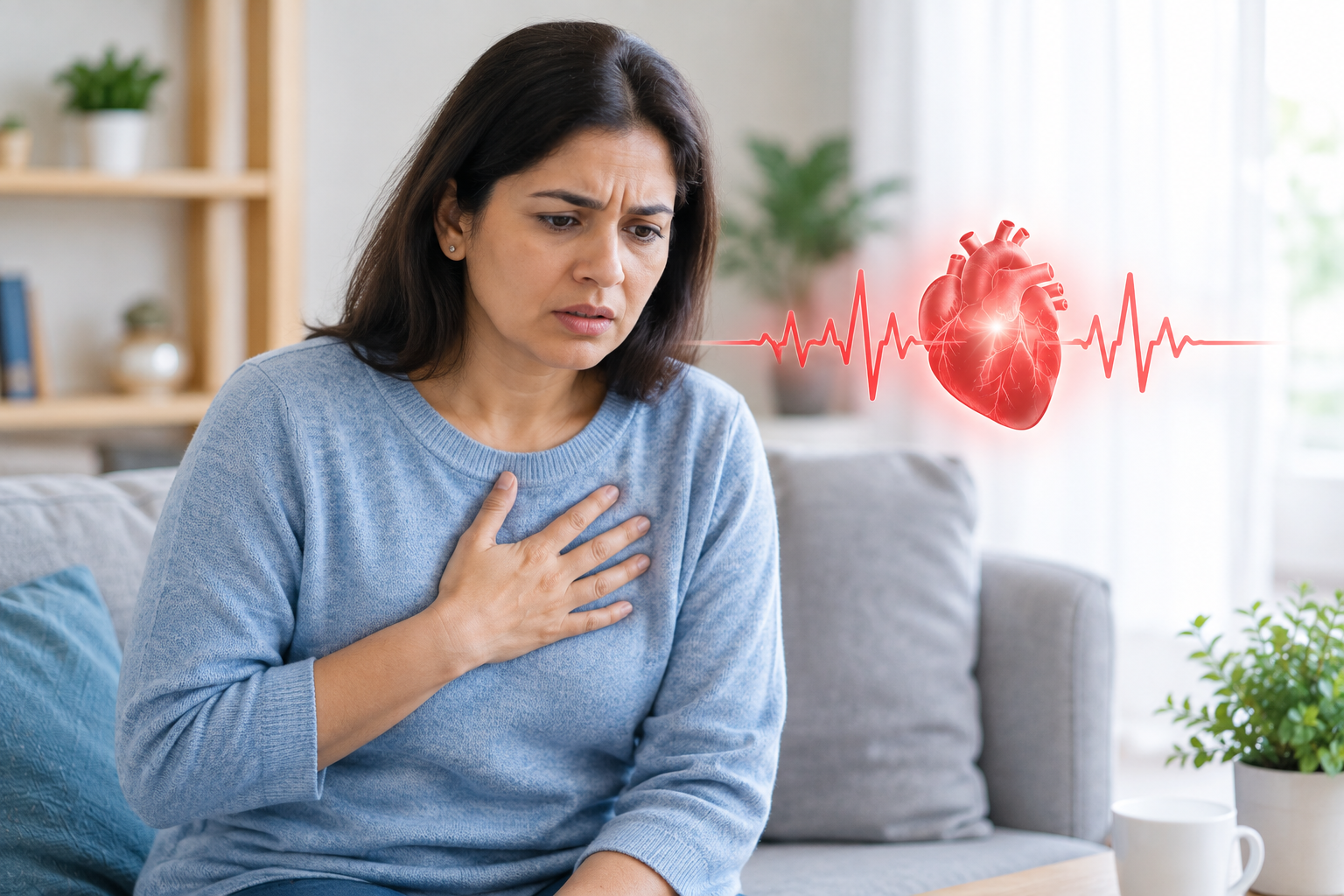
Is your heart racing or skipping beats? Learn the warning signs of an irregular heartbeat and when to seek medical care early.
Have you ever felt your heart suddenly race, flutter, or seem to skip a beat?
It can be unsettling. Sometimes it’s just too much coffee or a stressful day. Other times, it could be your body asking for attention.
An Irregular Heartbeat, also called an arrhythmia, isn’t always dangerous. But when certain symptoms appear or keep coming back, ignoring them can put your health at risk.
The good news is that recognizing the warning signs early can make a real difference. Getting checked at the right time can help prevent serious complications and protect your long-term heart health.
What Is an Irregular Heartbeat?
Your heart normally beats in a steady rhythm, like a drummer keeping perfect time.
An Irregular Heartbeat happens when that rhythm changes. It may beat too fast, too slow, or unevenly. These changes happen because the heart’s electrical signals aren’t working as they should.
Several everyday factors can trigger temporary rhythm changes, including stress, caffeine, dehydration, lack of sleep, and certain medications. However, conditions like heart disease, high blood pressure, or thyroid problems can also cause persistent arrhythmias.
Warning Signs You Should Never Ignore
Some symptoms deserve more than a “I’ll wait and see” approach.
Heart Palpitations That Keep Returning
Heart palpitations often feel like fluttering, pounding, racing, or skipped beats.
A single episode after climbing stairs or drinking coffee isn’t always alarming. But if these sensations happen repeatedly, last longer than a few moments, or occur without a clear reason, it’s time to get them checked.
Dizziness or Lightheadedness
Have you ever stood up and felt briefly dizzy?
That can happen to anyone. But frequent dizziness without an obvious cause may mean your heart isn’t pumping enough blood to your brain.
If these episodes keep happening, don’t brush them off.
Shortness of Breath
Feeling out of breath after exercise is normal.
Struggling to breathe while walking, climbing a few steps, or even resting isn’t. An Irregular Heartbeat can reduce how efficiently your heart pumps blood, making everyday activities feel surprisingly difficult.
Chest Pain or Chest Pressure
Chest discomfort should never be ignored.
Whether it feels like pressure, tightness, or pain, especially when combined with sweating, nausea, or shortness of breath, seek emergency medical care immediately. It could signal a serious heart problem that needs urgent attention.
Fainting or Nearly Fainting
Passing out isn’t just embarrassing. It can be dangerous.
An abnormal heart rhythm can briefly reduce blood flow to the brain, causing fainting or a feeling that you’re about to collapse. This is considered a medical emergency and requires prompt evaluation.
Unusual Fatigue
We all have tired days.
But if you’re feeling unusually exhausted despite getting enough rest, your heart may be working harder than it should. Poor heart rhythm can leave your body with less oxygen-rich blood, making even simple tasks feel draining.
Who Is at Higher Risk?
While anyone can develop heart rhythm problems, some people have a higher chance than others.
Your risk increases if you:
- Are over 40 years old.
- Have high blood pressure.
- Live with diabetes.
- Have high cholesterol.
- Already have heart disease.
- Have a family history of heart conditions.
- Smoke.
- Are overweight or have obesity.
If several of these risk factors apply to you, regular heart checkups become even more important.
How Is an Irregular Heartbeat Diagnosed?
Finding the cause usually starts with a conversation about your symptoms.
A cardiologist may recommend:
- Physical examination to assess your overall heart health.
- ECG (Electrocardiogram) to record your heart’s electrical activity.
- Holter monitor, a portable device that tracks your heartbeat over 24 hours or longer.
- Blood pressure monitoring to identify related issues.
- Echocardiogram to examine your heart’s structure and function when needed.
These tests help identify whether your symptoms are harmless or require treatment.
Can You Reduce Your Risk?
You can’t control every risk factor, but you can give your heart a better chance.
Simple habits can make a big difference:
- Eat a heart-healthy diet rich in fruits, vegetables, and whole grains.
- Stay physically active most days of the week.
- Manage stress through relaxation techniques or hobbies.
- Get enough quality sleep.
- Limit caffeine and alcohol if they trigger symptoms.
- Keep blood pressure, cholesterol, and diabetes under control.
Small changes practiced consistently often have the biggest impact.
When Should You See a Cardiologist?
Don’t wait until symptoms become severe.
Book a consultation if you experience recurring palpitations, unexplained dizziness, ongoing shortness of breath, or unusual fatigue.
Seek emergency care immediately if you have chest pain, fainting, severe shortness of breath, or symptoms that come on suddenly and feel intense.
Listening to your body early can help prevent bigger problems later.
Conclusion
Your heart works around the clock, so it deserves attention when something feels different.
An Irregular Heartbeat isn’t always dangerous, but persistent or severe symptoms should never be ignored. Early diagnosis can help identify the cause, reduce complications, and keep your heart functioning at its best.
If you’re experiencing symptoms, the experienced Cardiologist in Sharjah at Central Hospital Sharjah can provide a thorough evaluation and personalized care to help protect your heart health.
Leave a Reply
You must be logged in to post a comment.