
Safe Sleep Tips for Babies Every Parent Should Follow
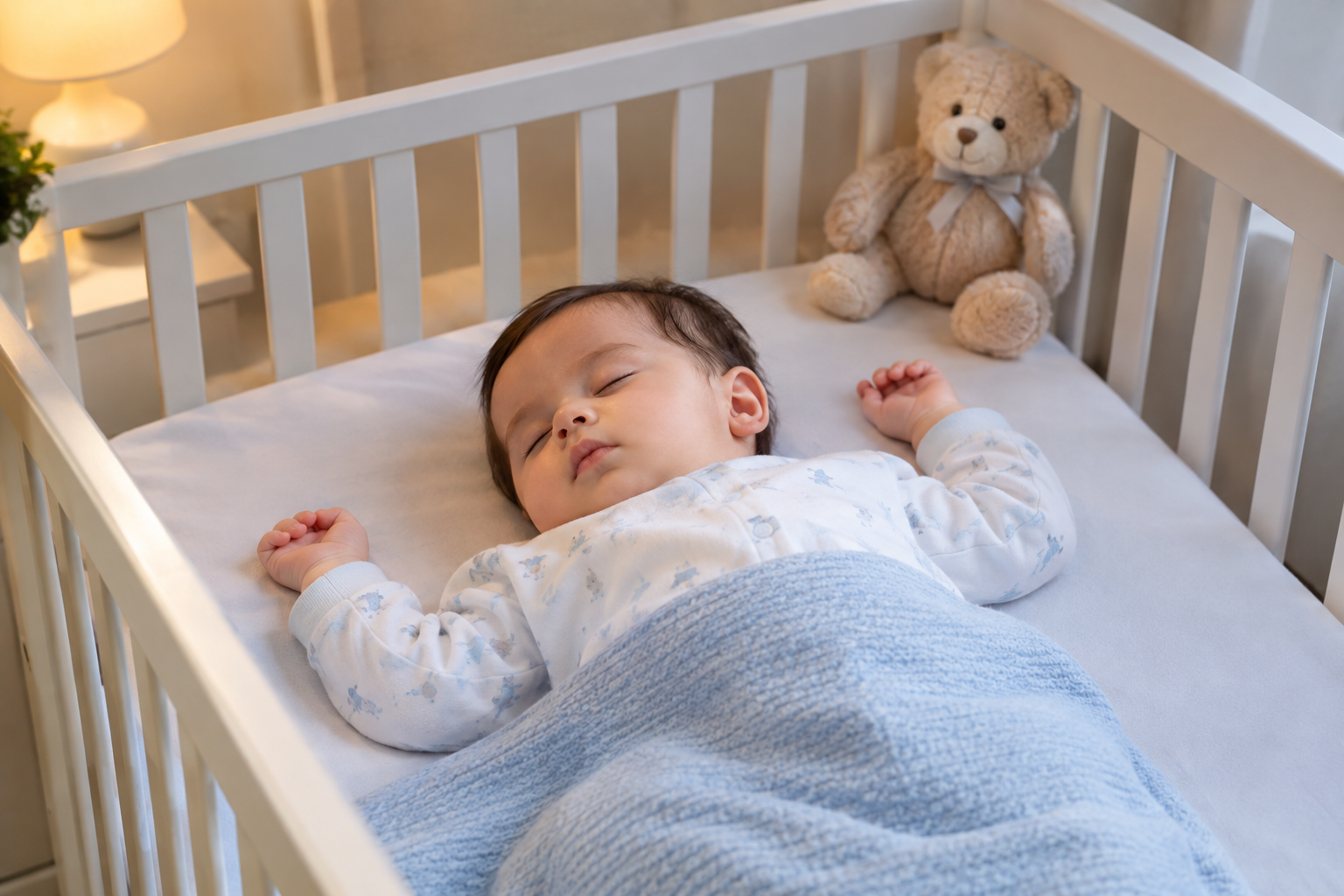
Worried about your baby’s sleep? Discover Safe Sleep Tips for Babies for safer nights and expert guidance when needed.
Becoming a parent comes with countless joyful moments and just as many questions. One of the biggest concerns is making sure your baby sleeps safely. If you’ve ever stood beside the crib wondering, “Is my baby sleeping the right way?” you’re not alone.
The good news is that a few simple habits can make a big difference. These Sleep Tips for Babies can help create a safer sleep routine from day one while giving parents greater peace of mind.
Why Safe Sleep Is Important for Babies
Newborns spend most of their first few months asleep. In fact, it’s normal for babies to sleep anywhere from 14 to 17 hours a day, which means their sleep environment matters more than many parents realize.
A safe sleeping space helps reduce sleep-related risks and supports healthy development. The key is consistency. Whether it’s a morning nap or bedtime, following the same safe sleep practices every time helps build healthy habits that last.
Always Place Your Baby on Their Back
One of the most important sleep recommendations is surprisingly simple: always place your baby on their back for every sleep.
Back sleeping keeps the airway in a safer position and has become the standard recommendation for healthy infants. Unless your pediatrician advises otherwise for a specific medical reason, avoid putting your baby to sleep on their stomach or side.
Think of it as your baby’s sleep “default setting.” Every nap, every bedtime, the back is the safest place to start.
Choose a Safe Sleep Surface
Not every cozy-looking bed is actually safe for a baby.
Choose a firm, flat mattress that fits snugly inside the crib or bassinet. If the mattress leaves gaps around the edges, it’s time for a better fit.
Avoid soft mattresses, bean bags, couches, or uneven surfaces, even if your baby seems comfortable. Babies don’t need a fluffy bed, they need a stable one.
Keep the Crib Free from Loose Items
Many nursery decorations look adorable, but they don’t belong inside the crib during sleep.
Keep the sleep space simple by removing:
- Pillows
- Loose blankets
- Stuffed toys
- Crib bumpers
- Extra bedding
A clear crib may not look as decorative, but it’s much safer for your little one.
Dress Your Baby Comfortably for Sleep
Parents often worry about whether their baby feels cold at night. Ironically, overheating can become a bigger concern than being slightly cool.
Dress your baby in lightweight sleep clothing that matches the room temperature. Wearable sleep sacks can provide warmth without adding loose blankets.
A simple rule of thumb is to avoid dressing your baby in too many layers. If they feel sweaty or overly warm, adjust their clothing rather than adding extra bedding.
Share the Room, Not the Bed
Many parents enjoy keeping their baby nearby during the night, and that’s actually encouraged.
Room sharing allows you to respond quickly while keeping your baby’s own sleep space safe. Place the crib or bassinet beside your bed instead of bringing your baby into the same bed for sleep.
This setup offers convenience during nighttime feeding while maintaining a safer sleeping arrangement.
Maintain a Comfortable Sleep Environment
Creating a peaceful sleep space doesn’t require expensive gadgets.
Instead, focus on a few basics:
- Keep the room comfortably cool.
- Dim bright lights during bedtime.
- Reduce unnecessary noise.
- Ensure fresh air and proper ventilation.
A calm environment helps both babies and parents settle more easily.
Safe Sleep Tips for Daytime Naps
Here’s something many parents don’t realize: the same safety rules apply during naps.
If your baby falls asleep on the sofa beside you, in a swing, or on a chair, gently move them to a safe sleep surface as soon as possible.
Daytime naps deserve the same attention as nighttime sleep because babies can fall into deep sleep at any time.
Common Safe Sleep Mistakes Parents Should Avoid
Even experienced parents can make small mistakes, especially during exhausting nights.
Try to avoid these common situations:
- Sleeping with your baby on a couch.
- Using loose blankets in the crib.
- Letting babies sleep in car seats for long periods after travel has ended.
- Using sleep positioners without medical advice.
These products or situations may seem convenient, but they aren’t designed for routine safe sleep.
When Should You Speak to a Pediatrician?
Every baby sleeps differently, but some situations deserve medical advice.
Contact a Pediatrician in Sharjah if your baby:
- Has unusual breathing during sleep.
- Snores heavily or struggles to breathe.
- Has ongoing sleep difficulties.
- Shows concerns related to sleep position or development.
- Has a medical condition that affects sleep.
Early guidance can help address concerns before they become bigger problems.
Helping Your Baby Sleep Safely Starts with Small Habits
Safe sleep doesn’t require perfection, it requires consistency. Placing your baby on their back, using a firm mattress, keeping the crib free of loose items, and following these Sleep Tips for Babies during both naps and nighttime sleep can create a much safer routine.
At Central Hospital Sharjah, our experienced Pediatrician in Sharjah understands that every parent has questions during their baby’s early months. If you’re ever unsure about your baby’s sleep safety, breathing, or sleep routine, professional guidance can help you make informed decisions with confidence.
Leave a Reply
You must be logged in to post a comment.