
Breast Pain: When Is It Normal and When Should You Worry?
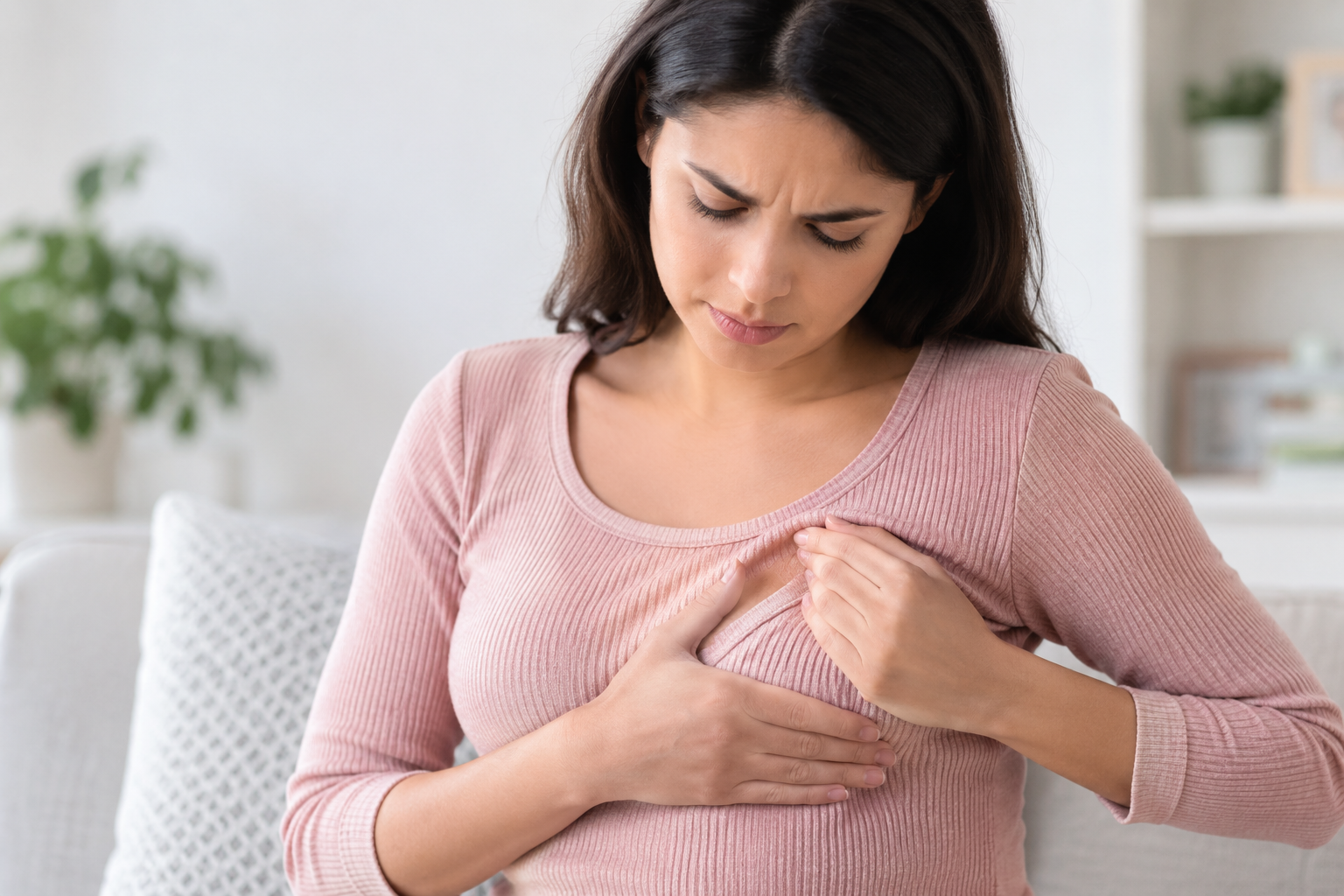
Have you ever felt a sudden ache or tenderness in your breast and wondered, “Is this normal?” You’re not alone. Breast Pain is one of the most common reasons women visit a gynecologist, and in many cases, it isn’t linked to anything serious.
The tricky part is knowing when it’s simply your body responding to hormonal changes and when it’s a sign that deserves medical attention. Understanding the type of pain and any accompanying symptoms can help you make the right decision without unnecessary worry.
Let’s break it down in simple terms.
What Is Breast Pain?
Breast pain, also called mastalgia, refers to discomfort, tenderness, or aching in one or both breasts. The intensity can range from a mild soreness to pain that affects daily activities.
There are two main types.
Cyclical Breast Pain
This is the most common type and is linked to your menstrual cycle.
- Usually appears a few days before your period.
- Often affects both breasts.
- Improves once your period begins.
Non Cyclical Breast Pain
This type isn’t connected to hormonal cycles.
- May affect one specific area.
- Can feel sharp, burning, or constant.
- Often needs medical evaluation if it persists.
When Breast Pain Is Usually Normal
Not every twinge is a reason to panic. Your body goes through many natural changes that can make your breasts feel different.
Hormonal Changes During the Menstrual Cycle
Many women notice tenderness before their period. That’s because estrogen and progesterone cause the breast tissue to swell slightly.
Think of it as your body’s monthly reminder that hormones are busy doing their job.
Pregnancy and Breastfeeding
One of the earliest signs of pregnancy is sore or sensitive breasts.
During breastfeeding, milk production, clogged ducts, and frequent feeding can also cause temporary discomfort.
Puberty and Menopause
Hormonal shifts during puberty help breast tissue develop, while menopause brings its own changes as hormone levels fluctuate.
These changes are usually temporary.
Exercise or Muscle Strain
Sometimes the pain isn’t coming from the breast itself.
A chest workout, lifting heavy shopping bags, or even an enthusiastic weekend of gardening can strain chest muscles and mimic breast pain.
Common Causes of Breast Pain
Several everyday factors can contribute to discomfort.
- Hormonal fluctuations
- Breast cysts
- Fibrocystic breast changes
- Poorly fitted bras
- Certain medications
- Stress and lifestyle factors
For example, wearing the wrong bra during a long workday can leave your chest feeling sore by evening. Small adjustments can sometimes make a big difference.
When Should You Worry About Breast Pain?
Most breast discomfort isn’t dangerous, but some symptoms shouldn’t be ignored.
Seek Medical Attention If You Notice
- A new breast lump
- Persistent pain in one specific area
- Bloody or unusual nipple discharge
- Skin dimpling or redness
- Swelling or warmth with fever
- Changes in breast shape or nipple appearance
These symptoms don’t automatically mean something serious, but they do deserve prompt evaluation by a healthcare professional.
How Gynecologists Diagnose Breast Pain
A proper diagnosis starts with listening to your symptoms.
Your gynecologist may ask when the pain started, whether it changes with your menstrual cycle, and if you’ve noticed any other breast changes.
Depending on your age and symptoms, they may recommend:
- A physical breast examination
- A mammogram when appropriate
- A breast ultrasound
- Additional tests if needed
The goal is to identify the cause and provide reassurance or treatment as early as possible.
Treatment Options
Treatment depends on what’s causing the discomfort.
Home Care
Many women find relief with simple measures.
- Wear a supportive bra.
- Apply warm or cold compresses.
- Stay active with gentle exercise.
- Use pain relief only when recommended by your doctor.
Medical Treatment
If an underlying condition is responsible, treatment may include:
- Antibiotics for infections
- Management of breast cysts
- Hormonal treatment when appropriate
- Regular follow up monitoring
The good news is that many causes of breast pain improve with the right care.
How to Keep Your Breasts Healthy
Healthy habits can help you become more familiar with your body and notice changes early.
- Perform regular breast self awareness checks.
- Schedule screenings based on your age and risk factors.
- Maintain a healthy lifestyle with balanced nutrition and exercise.
- Don’t ignore persistent or unusual symptoms.
The key isn’t checking for perfection. It’s knowing what’s normal for you.
When to See a Gynecologist in Sharjah
Consider booking an appointment if:
- The pain lasts more than a few weeks.
- It keeps coming back and disrupts your routine.
- You notice any unusual breast changes.
- You simply want professional reassurance.
Sometimes, peace of mind is just as valuable as treatment itself.
At Central Hospital Sharjah, experienced gynecologists provide comprehensive women’s health care, including breast evaluations, screenings, and personalized treatment plans in a comfortable and supportive environment.
Conclusion
Most cases of Breast Pain are caused by normal hormonal changes or other non serious conditions. Still, your body has its own way of asking for attention when something doesn’t feel right.
If the pain is persistent, unusual, or comes with warning signs like a lump or nipple discharge, don’t wait for it to go away on its own.
The specialists at Central Hospital Sharjah are here to help you understand your symptoms, provide the right diagnosis, and support your breast health with compassionate, expert care.
Leave a Reply
You must be logged in to post a comment.