
The Importance of Early Heart Screening for Newborns
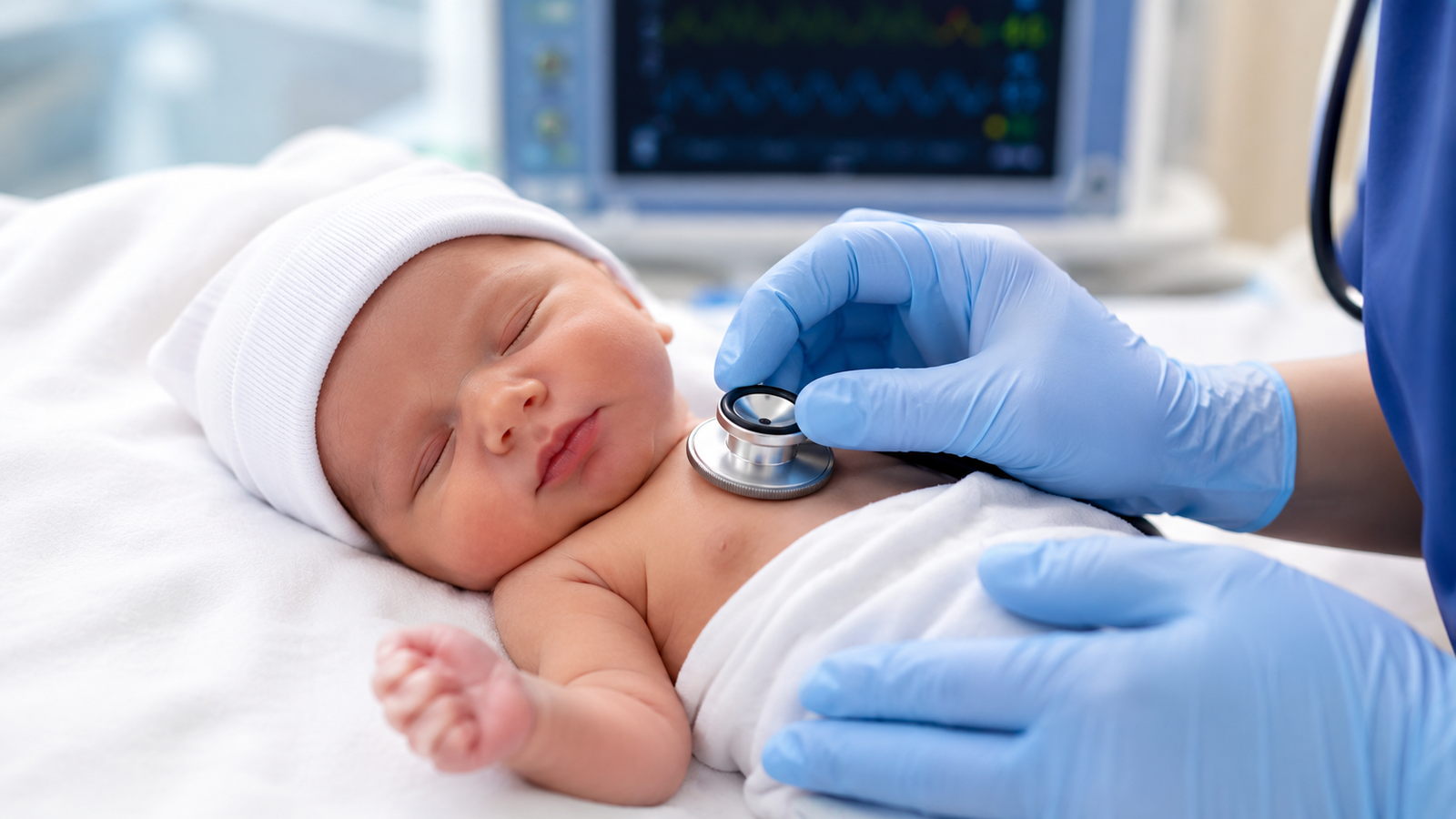
Why is early heart screening important for newborns? Learn how early detection protects your baby’s heart and supports healthy growth.
The first few days after your baby is born are filled with unforgettable moments, from tiny fingers wrapping around yours to hearing their first cries. Along with these joyful experiences comes the responsibility of ensuring your baby’s health, and that includes their heart.
Many heart conditions present at birth don’t show obvious symptoms right away. That’s why Heart Screening for Newborns has become an essential part of newborn care. A quick, painless screening can identify hidden heart problems before they become serious, giving babies the best chance for healthy growth and development.
Pediatric cardiology plays a vital role in detecting, diagnosing, and managing heart conditions early, helping families receive the right care when it matters most.
What Is Newborn Heart Screening?
Newborn heart screening is a simple test performed shortly after birth to check whether a baby’s heart is functioning normally. It helps identify serious heart defects that may not be visible during a routine physical examination.
The screening usually involves placing a small sensor on your baby’s hand and foot. This sensor measures oxygen levels in the blood through a test called pulse oximetry.
The entire procedure is non-invasive, painless, and takes only a few minutes. Most hospitals perform it within the first 24 to 48 hours after birth before the baby goes home.
Why Early Heart Screening Is Essential
Some babies are born with heart conditions that don’t cause immediate symptoms. Without early detection, these conditions may become life-threatening in the first few weeks or months of life.
Early screening helps doctors:
- Detect congenital heart defects before symptoms appear.
- Begin treatment as early as possible.
- Prevent serious complications.
- Improve long-term health outcomes.
- Give parents peace of mind.
Think of it as checking the foundation of a new home. If there’s a small issue, fixing it early is much easier than waiting until it becomes a major problem.
Common Heart Conditions That Can Be Detected
Critical Congenital Heart Disease (CCHD)
Critical Congenital Heart Disease refers to severe heart defects that require urgent medical care, often within the first year of life. Early diagnosis can be lifesaving.
Heart Murmurs
A heart murmur is an unusual sound heard during a heartbeat. While many murmurs are harmless, some may indicate an underlying heart problem that needs further evaluation.
Septal Defects (ASD and VSD)
These conditions involve holes in the walls separating the heart chambers. Depending on their size, they may require monitoring or treatment to prevent future complications.
Heart Rhythm Disorders
Some newborns may have irregular heartbeats, also known as arrhythmias. Identifying these early allows specialists to monitor and manage them effectively.
Signs of Heart Problems Parents Should Watch For
Although screening detects many heart conditions, parents should also stay alert for warning signs after bringing their baby home.
Contact your doctor if you notice:
- Bluish lips or skin (cyanosis)
- Difficulty feeding or poor sucking
- Rapid or labored breathing
- Poor weight gain
- Excessive sweating while feeding
- Unusual tiredness or low activity levels
These symptoms don’t always mean there’s a heart problem, but they should never be ignored.
How Pediatric Cardiologists Diagnose Heart Conditions
If a screening result requires further evaluation, a pediatric cardiologist may recommend additional tests to understand your baby’s heart health.
These may include:
- A detailed physical examination
- Pulse oximetry screening
- Electrocardiogram (ECG) to evaluate heart rhythm
- Echocardiography (2D Echo) to visualize the heart’s structure and function
- Holter monitoring when continuous heart rhythm assessment is needed
Together, these tests provide a clear picture of your baby’s heart and guide the best treatment plan.
Benefits of Early Diagnosis and Treatment
Finding a heart condition early can make a remarkable difference in a child’s future.
Early diagnosis allows for:
- Timely medical or surgical intervention
- Better long-term heart health
- Lower risk of emergency complications
- Improved growth and physical development
- A healthier and more active childhood
Many children diagnosed early go on to live happy, energetic lives with appropriate medical care and regular follow-ups.
Which Babies Are at Higher Risk?
While any newborn can have a heart condition, some babies have a higher risk.
These include babies with:
- A family history of congenital heart disease
- Premature birth
- Certain genetic disorders
- Mothers with diabetes during pregnancy
- Exposure to specific infections during pregnancy
If your baby falls into one of these groups, your pediatrician may recommend additional monitoring.
Tips for Parents to Support Their Baby’s Heart Health
Parents play an important role in maintaining their baby’s overall well-being.
Here are a few simple tips:
- Attend every scheduled newborn checkup.
- Never skip recommended heart screenings.
- Monitor feeding habits and weight gain.
- Keep vaccinations up to date.
- Seek medical advice if you notice unusual symptoms.
Small steps today can make a big difference tomorrow.
When Should You Visit a Pediatric Cardiologist?
You should arrange a specialist consultation if your baby has:
- An abnormal newborn heart screening result
- A persistent heart murmur
- A family history of congenital heart disease
- Difficulty breathing or feeding
- Poor growth or unexplained fatigue
Prompt evaluation helps ensure your baby receives the right care without unnecessary delays.
Conclusion
Every parent wants the healthiest possible start for their child, and protecting your baby’s heart is one of the most important steps you can take. Heart Screening for Newborns offers a safe, quick, and effective way to identify serious heart conditions before they become emergencies.
Early detection allows timely treatment, improves long-term outcomes, and gives families greater confidence during those precious first months of life.
If you have concerns about your baby’s heart health or your newborn requires further evaluation, consult the experienced Pediatric Cardiology team at Central Hospital Sharjah. Early diagnosis today can help build a healthier tomorrow for your little one.
Leave a Reply
You must be logged in to post a comment.