
Early Signs of Osteoporosis and When to Consult an Orthopedic Surgeon
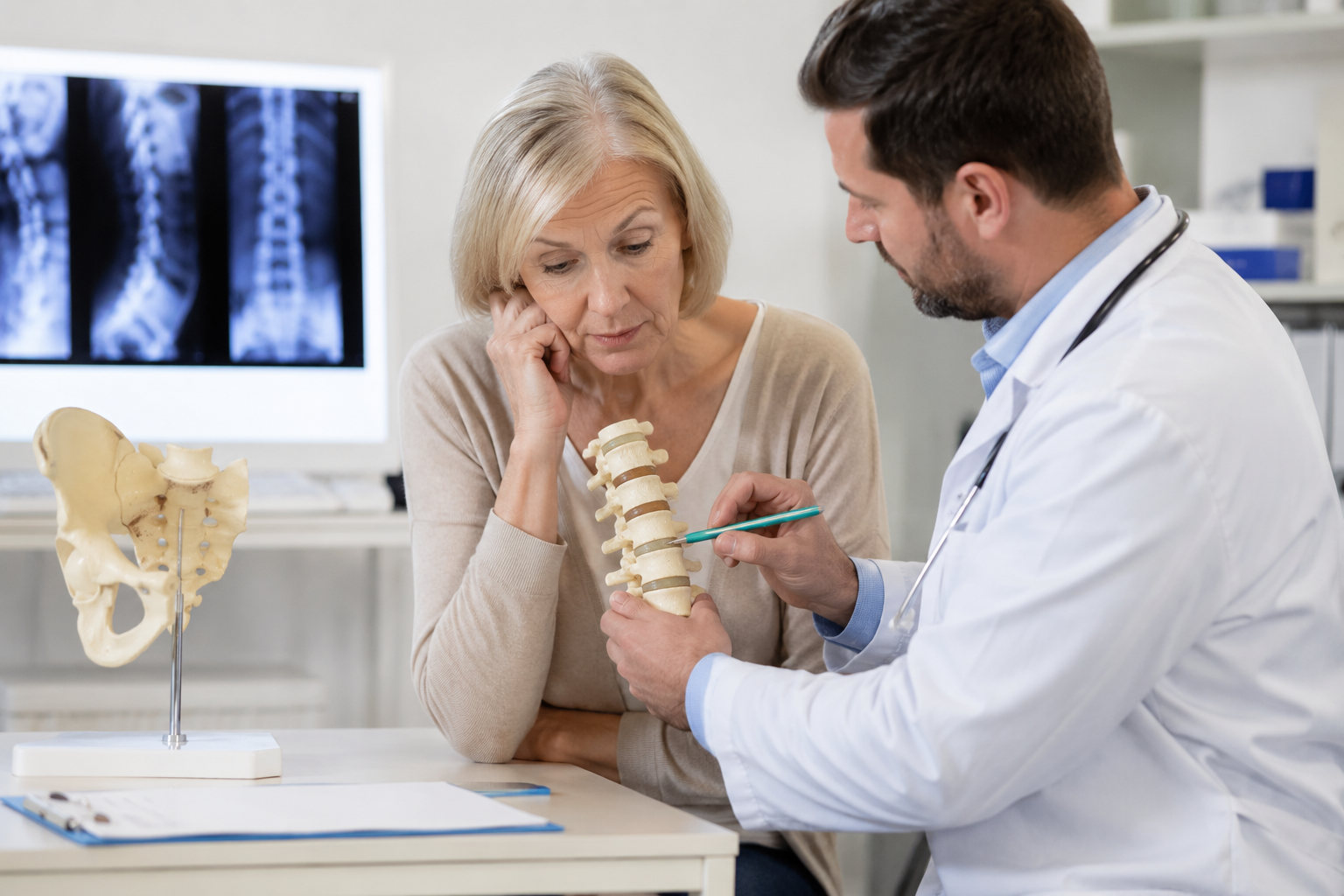
Osteoporosis is often called the “silent disease” because it develops gradually and usually doesn’t cause noticeable symptoms until a bone breaks. Many people don’t realize their bones are becoming weaker until a simple slip, cough, or minor fall results in a fracture.
The good news is that osteoporosis doesn’t have to catch you by surprise. Recognizing the early warning signs and seeking medical advice at the right time can help protect your bones and reduce the risk of future fractures.
Let’s explore what osteoporosis is, who is at risk, the symptoms to watch for, and how an Orthopedic Surgeon can help diagnose and manage this condition.
What Is Osteoporosis?
Osteoporosis is a condition that causes bones to lose density and strength over time. Healthy bones constantly rebuild themselves, but as we age, the body may lose bone faster than it creates new bone.
Imagine your bones as a honeycomb. In healthy bones, the spaces are small and tightly packed. With osteoporosis, these spaces become larger, making the bones thinner, weaker, and more likely to break.
Although osteoporosis can affect any bone, fractures most commonly occur in the spine, hip, and wrist.
Who Is Most at Risk of Developing Osteoporosis?
Some people have a higher chance of developing osteoporosis than others.
Age-Related Bone Loss
Bone density naturally decreases as we grow older. Adults over the age of 50 are at greater risk, especially if they have other contributing factors.
Women After Menopause
Women are more likely to develop osteoporosis after menopause because estrogen levels decline, leading to faster bone loss.
Family History
If a parent or sibling has osteoporosis or has experienced hip fractures, your own risk may be higher.
Calcium and Vitamin D Deficiency
Calcium strengthens bones, while vitamin D helps your body absorb calcium efficiently. A long-term deficiency of either nutrient can weaken your bones.
Sedentary Lifestyle
Bones become stronger when they are regularly used. A lack of physical activity can gradually reduce bone density.
Smoking and Excessive Alcohol Consumption
Smoking affects bone-building cells, while excessive alcohol interferes with calcium absorption and increases the risk of falls.
Long-Term Steroid Use
Taking corticosteroid medications for extended periods may reduce bone formation and increase bone loss.
Certain Medical Conditions
Conditions such as rheumatoid arthritis, thyroid disorders, kidney disease, and digestive disorders can also contribute to osteoporosis.
Early Signs of Osteoporosis You Should Never Ignore
Osteoporosis often develops quietly, but some subtle warning signs shouldn’t be ignored.
Frequent Back Pain
Persistent back pain may occur when tiny fractures develop in the spinal bones.
Loss of Height
Have your clothes suddenly become longer or your friends commented that you seem shorter? Gradual height loss can indicate compression fractures in the spine.
Stooped or Rounded Posture
A noticeable forward curve in the upper back, often called a dowager’s hump, may develop as spinal bones weaken.
Bones That Fracture Easily
Breaking a bone after a minor fall or simple everyday activity is one of the clearest warning signs.
Weak Grip Strength
Reduced hand strength has been linked with lower bone density and overall muscle weakness.
Reduced Mobility
Difficulty walking, climbing stairs, or performing routine activities may result from weakened bones and pain.
Persistent Bone or Joint Pain
Although osteoporosis itself isn’t always painful, ongoing bone or joint discomfort should always be evaluated.
Why Osteoporosis Often Goes Undiagnosed
Many people live with osteoporosis for years without knowing it because bone loss happens slowly.
Unlike many health conditions, osteoporosis usually doesn’t cause swelling, redness, or obvious discomfort during its early stages.
Routine bone health screening is one of the best ways to detect osteoporosis before fractures occur.
How an Orthopedic Surgeon Diagnoses Osteoporosis
An experienced Orthopedic Surgeon uses several methods to confirm osteoporosis and determine its severity.
Diagnosis may include:
- Reviewing your medical history and family history
- Performing a physical examination
- Ordering a Bone Mineral Density (DEXA) scan
- Taking X-rays if fractures are suspected
- Recommending blood tests to identify nutritional deficiencies or underlying medical conditions
Early diagnosis allows treatment to begin before serious complications develop.
Treatment Options for Osteoporosis
Treatment focuses on strengthening bones, reducing fracture risk, and improving overall quality of life.
Lifestyle Modifications
Simple daily habits can make a significant difference.
These include:
- Eating calcium-rich foods
- Getting enough vitamin D
- Performing weight-bearing exercises
- Maintaining a healthy body weight
Medications
Doctors may prescribe medications that slow bone loss or stimulate new bone formation. Calcium and vitamin D supplements may also be recommended.
Physical Therapy
Physical therapy improves balance, strengthens muscles, increases flexibility, and reduces the risk of falls.
Surgical Treatment (When Needed)
If osteoporosis causes severe fractures, surgery may be necessary. Depending on the condition, treatment may include fracture repair or joint replacement to restore movement and reduce pain.
Tips to Prevent Osteoporosis
While aging can’t be stopped, healthy habits can help protect your bones.
- Eat a balanced diet rich in calcium and vitamin D.
- Exercise regularly with weight-bearing activities.
- Avoid smoking.
- Limit alcohol consumption.
- Maintain a healthy body weight.
- Get regular bone density screenings if you’re at risk.
- Remove fall hazards at home and wear supportive footwear.
Small lifestyle changes today can help keep your bones stronger for years to come.
When Should You Consult an Orthopedic Surgeon?
Don’t ignore symptoms that may seem minor today.
You should seek medical evaluation if you experience:
- Persistent back or bone pain
- Fractures after a minor fall
- Noticeable loss of height
- A family history of osteoporosis
- Menopause with additional risk factors
- Bone weakness after the age of 50
- Recurrent fractures
Prompt medical attention can help prevent more serious injuries in the future.
Conclusion
Osteoporosis often develops quietly, but its effects can be life-changing if left untreated. Paying attention to early warning signs such as back pain, height loss, poor posture, or fractures after minor injuries can make all the difference.
Early diagnosis, healthy lifestyle choices, and appropriate treatment can strengthen bones, lower the risk of fractures, and help you stay active and independent for years to come.
If you are experiencing symptoms or have risk factors for osteoporosis, the experienced orthopedic specialists at Central Hospital Sharjah can provide comprehensive evaluation, accurate diagnosis, and personalized treatment to help protect your bone health and improve your quality of life.