
Dehydration in Children: Warning Signs Every Parent Should Know
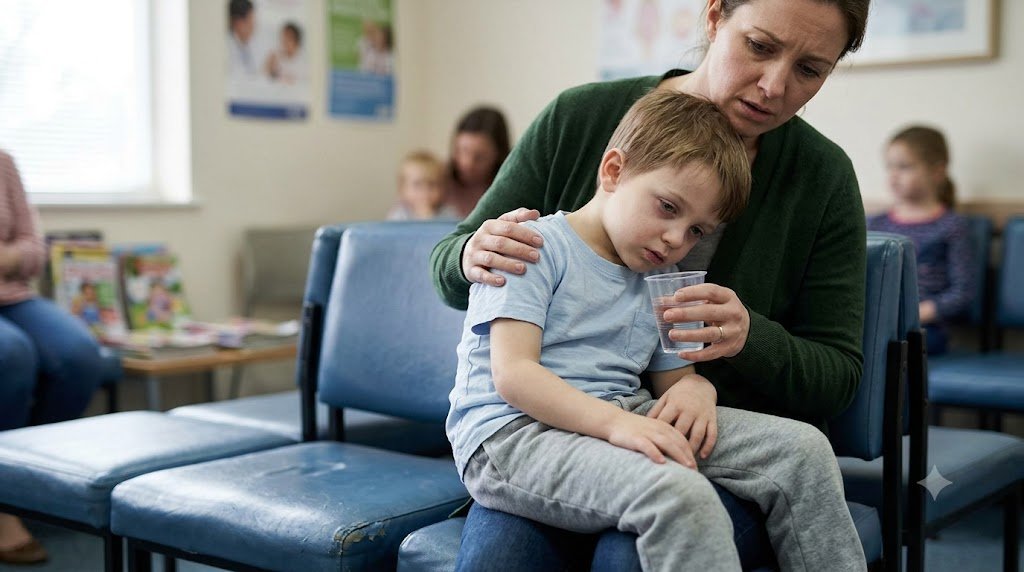
Children are always on the move. Whether they’re playing outdoors, running around the park, or recovering from a seasonal illness, they lose fluids much faster than adults. That’s why Dehydration in Children can develop quickly, especially during hot weather or when they’re sick.
The good news? Most cases can be prevented or treated early if parents know what to look for. Understanding the warning signs and acting quickly can help your child recover faster and avoid serious complications.
Let’s explore how dehydration happens, what symptoms to watch for, and when it’s time to seek medical attention.
What Is Dehydration?
Dehydration happens when the body loses more fluids than it takes in. Water is essential for every part of the body, from regulating temperature to helping organs function properly.
When a child doesn’t replace lost fluids, the body struggles to perform its normal functions. If left untreated, dehydration can become severe and may require urgent medical care.
Common Causes of Dehydration in Children
Children can become dehydrated for several reasons. Some of the most common include:
- Diarrhea and vomiting
- Fever
- Excessive sweating during hot weather or physical activity
- Not drinking enough water throughout the day
- Certain illnesses that increase fluid loss
Even something as simple as a child refusing to drink because of a sore throat can increase the risk.
Early Warning Signs of Dehydration
Spotting dehydration early can make all the difference.
Watch for these common signs:
- Dry mouth and cracked lips
- Increased thirst
- Less frequent urination or fewer wet diapers
- Dark yellow urine
- Low energy or unusual tiredness
- Irritability or fussiness
For example, if your usually energetic child suddenly wants to nap all afternoon and hasn’t had much to drink, dehydration could be one possible reason.
Signs of Moderate to Severe Dehydration
As dehydration becomes more serious, symptoms become easier to notice.
Seek medical attention if your child has:
- Sunken eyes
- No tears while crying
- Cold hands and feet
- Rapid heartbeat
- Fast breathing
- Dizziness or confusion
- Extreme sleepiness or difficulty waking up
These symptoms should never be ignored because they may indicate that your child’s body urgently needs fluid replacement.
Dehydration Symptoms in Babies
Babies are especially vulnerable because their bodies contain a higher percentage of water and they cannot tell you when they’re thirsty.
Watch for these warning signs:
- Dry tongue and mouth
- A sunken soft spot (fontanelle) on the head
- Fewer than six wet diapers within 24 hours
- Poor feeding
- Unusual drowsiness or irritability
If your baby seems less interested in feeding than usual and has significantly fewer wet diapers, it’s important to contact a pediatrician promptly.
How Parents Can Prevent Dehydration
Preventing dehydration is often easier than treating it.
Here are a few simple habits that can help:
- Encourage children to drink water regularly throughout the day.
- Continue breastfeeding or formula feeding for infants.
- Use oral rehydration solutions if recommended by your pediatrician.
- Increase fluid intake during illness, sports, or hot weather.
- Include water-rich fruits and vegetables such as watermelon, oranges, cucumbers, and strawberries in daily meals.
A fun water bottle or colorful cup can even encourage younger children to drink more often.
What to Do If Your Child Is Dehydrated
If you notice mild symptoms, don’t panic.
Instead:
- Offer small, frequent sips of water or an oral rehydration solution.
- Continue feeding if your child can tolerate food.
- Avoid sugary drinks, soft drinks, and caffeinated beverages.
- Monitor your child’s symptoms closely.
- Make sure they rest while recovering.
If symptoms improve within a few hours and your child begins drinking normally again, home care may be enough. However, always trust your instincts if something doesn’t seem right.
When to See a Pediatrician Immediately
Some situations require prompt medical evaluation.
Contact a pediatrician right away if your child:
- Has persistent vomiting or diarrhea
- Refuses to drink fluids
- Has blood in the stool or vomit
- Develops a high fever along with dehydration symptoms
- Has not urinated for several hours
- Becomes extremely sleepy, difficult to wake, or unconscious
Early treatment can prevent dehydration from becoming a medical emergency.
Why Early Pediatric Care Matters
A pediatrician can identify the cause of dehydration and recommend the right treatment based on your child’s age and condition.
Professional care may include:
- Accurate diagnosis of the underlying illness
- Proper fluid replacement
- Monitoring for complications
- Personalized advice to help your child recover safely
Timely medical care not only speeds up recovery but also gives parents peace of mind during stressful situations.
Conclusion
Every parent has dealt with a child who refuses to drink water or loses fluids during an illness. While this is common, it’s important not to overlook the warning signs of Dehydration in Children.
By recognizing symptoms early, encouraging healthy hydration habits, and seeking medical care when needed, you can protect your child’s health and reduce the risk of serious complications.
At Central Hospital Sharjah, our experienced pediatric team is dedicated to providing compassionate, comprehensive care for children of all ages. Whether your child has mild dehydration or needs urgent medical attention, we’re here to support your family with expert pediatric care.
Frequently Asked Questions
1. How can I tell if my child is dehydrated?
Common signs include dry lips, increased thirst, dark urine, reduced urination, tiredness, irritability, and a dry mouth.
2. What are the first signs of dehydration in babies?
Look for fewer wet diapers, a dry mouth, poor feeding, unusual sleepiness, and a sunken soft spot on the head.
3. Can fever cause dehydration in children?
Yes. Fever increases fluid loss through sweating and can reduce your child’s desire to drink, making dehydration more likely.
4. Should I give my child water or an oral rehydration solution?
For mild dehydration, water may help. If your child has diarrhea or vomiting, an oral rehydration solution is often recommended. Always follow your pediatrician’s advice.
5. When should I take my child to a pediatrician for dehydration?
Seek medical care immediately if your child has severe drowsiness, persistent vomiting or diarrhea, refuses fluids, has very little urine output, or shows signs of moderate to severe dehydration.
Leave a Reply
You must be logged in to post a comment.