
Joint Pain That Won’t Go Away? When It’s Time to See an Orthopaedic Surgeon
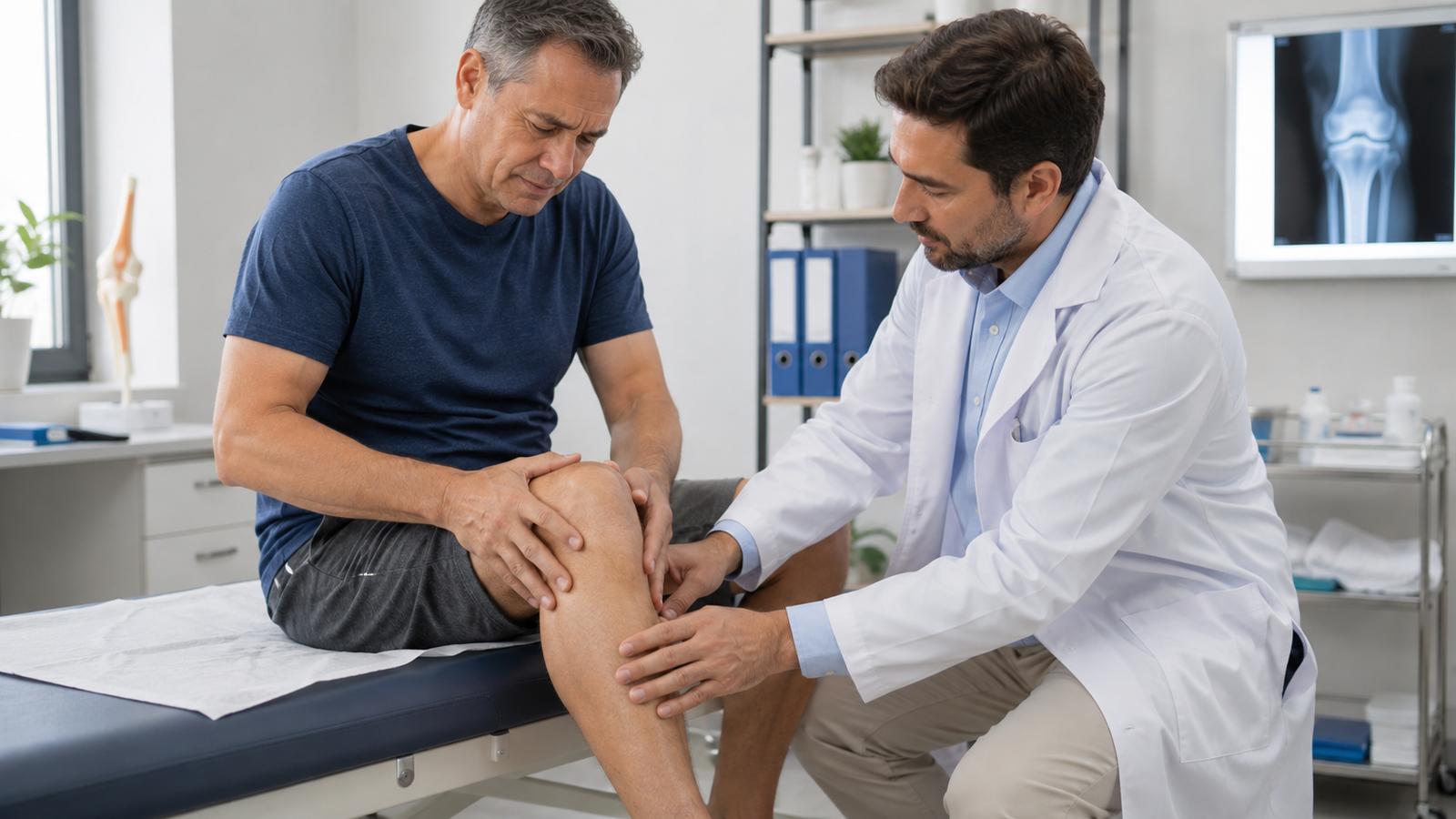
A stiff knee after climbing stairs or a sore shoulder after a workout usually isn’t a reason to panic. Most of us experience aches and pains from time to time.
But what happens when the pain never seems to leave?
Persistent joint pain can make everyday activities like walking, driving, or even opening a jar feel frustrating. More importantly, it may be your body’s way of telling you that something needs medical attention.
The good news is that early diagnosis and treatment can prevent complications, improve mobility, and help you get back to doing what you love. Knowing when to visit an orthopaedic surgeon is often the first step toward lasting relief.
What Is Joint Pain?
Joint pain refers to discomfort, stiffness, or swelling where two bones meet. It can affect people of all ages, whether it’s caused by an injury, arthritis, or repeated strain.
The most commonly affected joints include:
- Knees
- Hips
- Shoulders
- Ankles
- Elbows
- Wrists
Sometimes the pain comes and goes. Other times, it sticks around and gradually gets worse.
Common Causes of Persistent Joint Pain
Several conditions can cause ongoing discomfort in your joints.
Osteoarthritis is the most common cause. It happens when the protective cartilage wears down over time.
Rheumatoid arthritis is an autoimmune condition that causes inflammation in multiple joints.
Other possible causes include:
- Sports injuries
- Ligament and tendon injuries
- Bursitis
- Gout
- Previous fractures
- Overuse injuries from repetitive movements
Identifying the exact cause is important because each condition requires a different treatment approach.
8 Signs It’s Time to See an Orthopaedic Surgeon
1. Pain Lasts More Than a Few Weeks
Pain that doesn’t improve after two or three weeks deserves attention.
Ignoring it may allow the underlying problem to worsen.
2. Swelling Doesn’t Go Away
Swelling after an injury is normal.
But if it stays for days or keeps coming back, it may signal inflammation or damage inside the joint.
3. Difficulty Walking or Climbing Stairs
If everyday movements suddenly become challenging, don’t brush it off.
Reduced mobility often points to a joint problem that needs evaluation.
4. Limited Range of Motion
Can you no longer fully bend your knee or lift your arm overhead?
Stiffness that limits movement is a common warning sign.
5. Joint Instability
Does your knee feel like it’s about to give way?
Joint instability can happen when ligaments become damaged and shouldn’t be ignored.
6. Pain After an Injury
A sprain or fall may seem minor at first.
However, fractures, torn ligaments, or cartilage injuries sometimes become noticeable only after the initial swelling settles.
7. Night Pain or Pain at Rest
Pain that wakes you up at night or continues even while resting can indicate a more serious condition.
8. Numbness or Tingling Along With Joint Pain
When pain comes with numbness or tingling, nearby nerves may be affected.
Prompt evaluation can help prevent further complications.
How an Orthopaedic Surgeon Diagnoses Joint Pain
Finding the cause starts with a thorough assessment.
Your specialist may use:
- Medical history
- Physical examination
- X-rays
- MRI or CT scans
- Ultrasound
- Blood tests when needed
These tests help create a treatment plan that’s tailored to your condition.
Treatment Options
The right treatment depends on the cause and severity of your symptoms.
Non-Surgical Treatments
Many people recover without surgery.
Common options include:
- Physical therapy to strengthen muscles and improve movement
- Medications to reduce pain and inflammation
- Joint injections for targeted relief
- Lifestyle modifications
- Weight management to reduce pressure on joints
Surgical Treatments
When conservative treatments no longer provide relief, surgery may become the best option.
Procedures may include:
- Arthroscopy
- Ligament repair
- Fracture fixation
- Joint replacement
- Minimally invasive procedures
Modern techniques often allow for faster recovery and less discomfort than traditional surgery.
Tips to Protect Your Joints
Taking care of your joints today can help prevent problems later.
- Stay active with low-impact exercises like walking or swimming.
- Maintain a healthy weight.
- Strengthen the muscles around your joints.
- Practice good posture.
- Wear supportive footwear.
- Avoid repetitive strain whenever possible.
Small daily habits can make a big difference over time.
When to Seek Immediate Medical Care
Don’t wait for a routine appointment if you experience:
- Severe pain after trauma
- Inability to bear weight
- Visible deformity
- Fever with a swollen joint
- Sudden loss of joint function
These symptoms may require urgent medical attention.
Take the Next Step Toward Healthier Joints
Living with persistent joint pain isn’t something you simply have to accept. The earlier you identify the cause, the better your chances of protecting your joints, staying active, and avoiding long-term complications.
If your pain is affecting your daily life or refusing to improve, don’t wait. Central Hospital Sharjah offers expert orthopaedic care with personalised treatment plans designed to help you move comfortably and confidently again.
Frequently Asked Questions
How long should I wait before seeing an orthopaedic surgeon for joint pain?
If your pain lasts more than two or three weeks, keeps returning, or limits daily activities, it’s a good idea to schedule an evaluation.
Can joint pain go away without surgery?
Yes. Many cases improve with physical therapy, medication, lifestyle changes, and other non-surgical treatments.
What tests do orthopaedic surgeons use?
They commonly use physical examinations, X-rays, MRI scans, CT scans, ultrasound, and blood tests depending on your symptoms.
Is knee pain always caused by arthritis?
No. Knee pain can result from ligament injuries, tendon problems, cartilage damage, overuse, or other conditions.
When is joint replacement necessary?
Joint replacement is usually considered when severe pain and reduced function continue despite non-surgical treatments.
Leave a Reply
You must be logged in to post a comment.