
How to Keep Your Kidneys Healthy: Daily Habits That Help
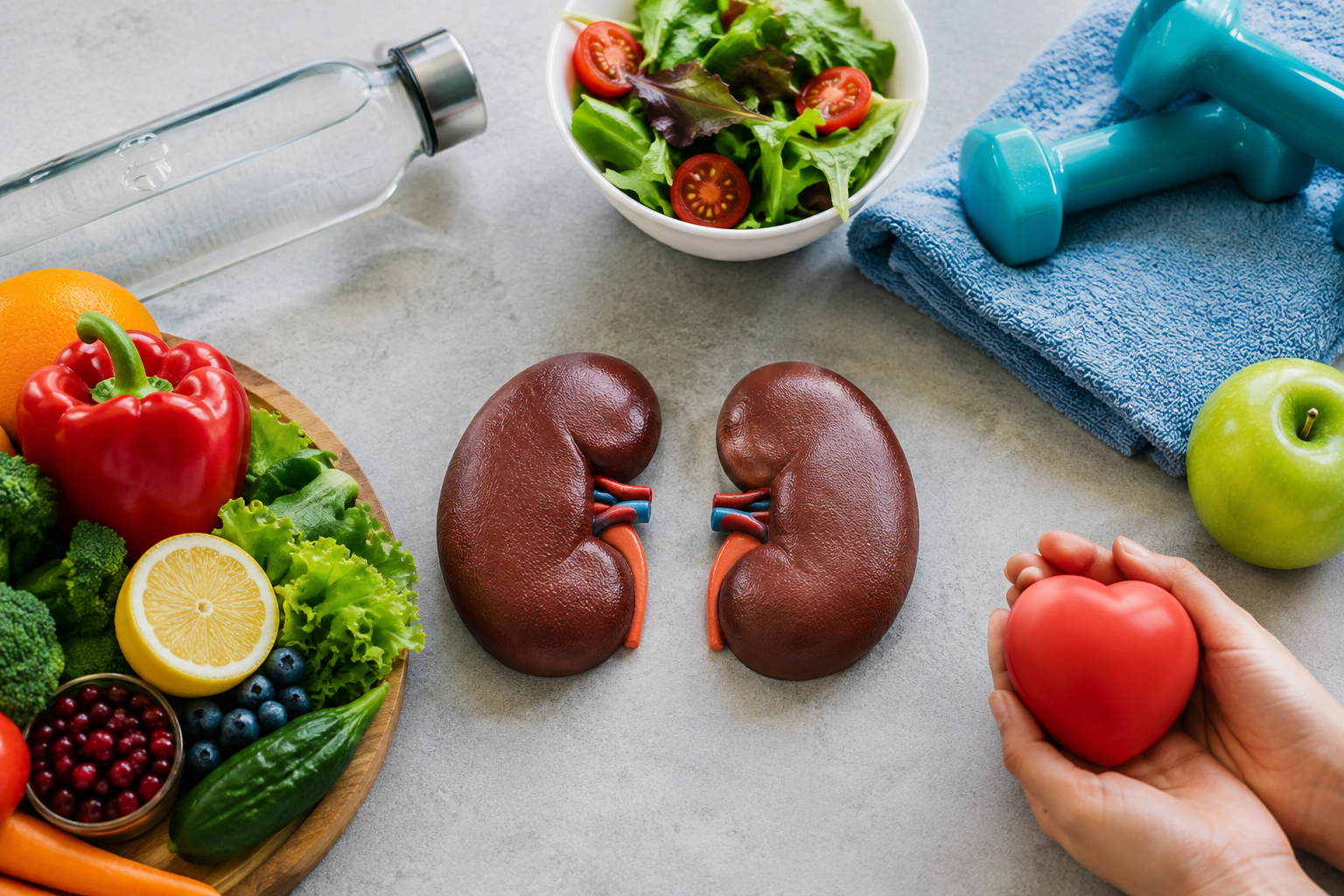
Want to keep your kidneys healthy? Discover simple daily habits, warning signs, and expert tips to protect your kidney health naturally.
Your kidneys work quietly behind the scenes every single day. They filter your blood, remove waste, balance fluids, and even help control your blood pressure. The amazing part? They do all this without asking for much in return.
The good news is that keeping your Kidneys Healthy doesn’t require a complicated routine. A few smart daily habits can go a long way in protecting them. And if you notice unusual symptoms, seeing a urologist early can make a real difference.
Why Kidney Health Matters
Think of your kidneys as your body’s natural water filter. They clean around 50 gallons of blood every day, removing toxins while keeping the right balance of water and minerals.
When kidney function starts to decline, waste builds up in the body. This can lead to fatigue, swelling, high blood pressure, and more serious health complications if left untreated.
Some common kidney problems include kidney stones, urinary tract infections, chronic kidney disease, and infections affecting the kidneys.
8 Daily Habits That Help Keep Your Kidneys Healthy
1. Drink Enough Water
Water is one of your kidneys’ best friends. It helps flush out waste and reduces the risk of kidney stones.
You don’t always need to count every glass. Instead, pay attention to your body’s signals. Dark yellow urine, dry mouth, or feeling unusually thirsty may mean you need more fluids.
2. Eat a Kidney Friendly Diet
What you eat has a direct impact on kidney health.
Fill your plate with colorful fruits, vegetables, whole grains, and lean proteins. These foods provide nutrients without putting unnecessary strain on your kidneys.
Try to reduce processed foods, limit extra salt, and cut back on sugary drinks whenever possible. Small food swaps today can benefit your kidneys for years.
3. Keep Your Blood Pressure Under Control
High blood pressure doesn’t just affect your heart. It can also damage the tiny blood vessels inside your kidneys.
Simple habits like reducing salt intake, staying active, managing stress, and getting enough sleep can help maintain healthy blood pressure levels.
4. Manage Blood Sugar Levels
Diabetes is one of the leading causes of kidney disease.
If you have diabetes or are at risk, keeping your blood sugar within the recommended range helps protect your kidneys from long term damage.
Regular checkups and following your healthcare provider’s advice can make a significant difference.
5. Exercise Regularly
You don’t have to run marathons to support kidney health.
Aim for at least 150 minutes of moderate exercise each week. Walking, cycling, swimming, or even dancing can improve circulation, help control weight, and support healthy blood pressure.
6. Avoid Smoking and Excessive Alcohol
Smoking reduces blood flow to the kidneys, while excessive alcohol can put extra stress on them.
Choosing healthier alternatives, like herbal drinks, fresh juices in moderation, or simply staying hydrated with water, can support your overall wellbeing.
7. Be Careful with Painkillers
Many people reach for painkillers without thinking twice.
However, frequent use of certain over-the-counter medications, especially nonsteroidal anti inflammatory drugs (NSAIDs), can harm the kidneys over time.
If you regularly need pain relief, speak with a healthcare professional about safer options.
8. Get Regular Health Checkups
Sometimes kidney problems develop without obvious symptoms.
Routine blood and urine tests can detect early changes before they become serious. Regular screening is especially important if you have diabetes, high blood pressure, or a family history of kidney disease.
Warning Signs You Should Never Ignore
Your body often gives clues when something isn’t right. Watch for these symptoms:
- Blood in urine
- Pain while urinating
- Frequent urination, especially at night
- Severe back or side pain
- Swelling in the legs, ankles, or face
- Persistent tiredness or fatigue
If any of these symptoms continue, don’t ignore them. Early evaluation can prevent complications.
Who Is at Higher Risk of Kidney Disease?
Anyone can develop kidney problems, but some people have a higher risk.
You should be especially careful if you:
- Have diabetes
- Have high blood pressure
- Have a family history of kidney disease
- Are an older adult
- Experience recurrent urinary tract infections
- Have had kidney stones before
Knowing your risk helps you take preventive steps sooner.
When to Visit a Urologist
Not every urinary symptom is an emergency, but some should never be ignored.
You should consult a urologist if you experience recurring urinary infections, blood in your urine, ongoing pain while urinating, kidney stone symptoms, or persistent changes in urination.
Early diagnosis often means simpler treatment and better outcomes, making it easier to protect your long term kidney health.
Frequently Asked Questions
How much water should I drink daily for healthy kidneys?
It varies from person to person, but most healthy adults benefit from staying consistently hydrated throughout the day. Your activity level, weather, and medical conditions can affect your fluid needs.
Can kidney disease be prevented?
Many cases can be delayed or prevented by maintaining a healthy lifestyle, managing blood pressure and diabetes, staying hydrated, and getting regular health checkups.
What foods are good for kidney health?
Fresh fruits, vegetables, whole grains, lean proteins, and low sodium foods are generally good choices for supporting kidney health.
When should I see a urologist for kidney problems?
See a urologist if you notice blood in your urine, severe side pain, frequent urinary infections, painful urination, or ongoing changes in urination.
Conclusion
Taking care of your kidneys doesn’t have to feel overwhelming. Drinking enough water, eating nutritious foods, staying active, and keeping chronic conditions under control are simple habits that help keep your Kidneys Healthy for the long run.
If you notice warning signs or have concerns about your urinary health, don’t wait for symptoms to become worse. Central Hospital Sharjah offers expert urological care, advanced diagnostics, and personalized treatment to help protect your kidney health with confidence.
Leave a Reply
You must be logged in to post a comment.