
Chest Pain or Heartburn? When to Consult a Cardiologist
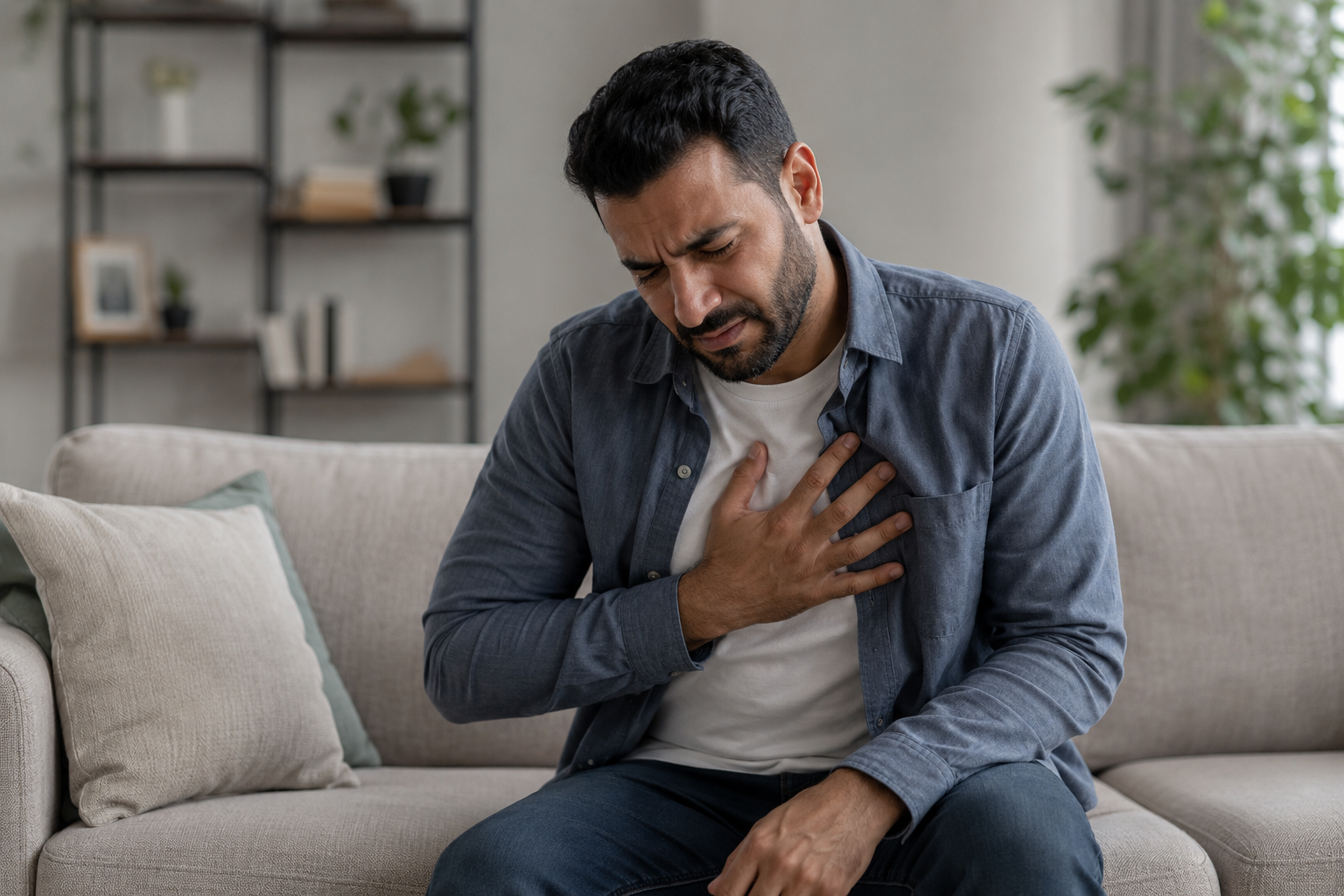
Is It Heartburn or Your Heart?
A burning sensation in your chest after a heavy meal might seem like ordinary heartburn. But what if that discomfort is actually coming from your heart?
Chest pain can be confusing because heartburn and heart-related problems may sometimes feel surprisingly similar. Both can cause discomfort around the chest, making it difficult to know what is really happening.
The important thing is not to guess. If chest discomfort is new, severe, unusual, or keeps returning, getting medical advice can help identify the cause and rule out potentially serious heart problems.
What Does Heartburn Usually Feel Like?
Heartburn usually happens when stomach acid moves upward into the esophagus. It often creates a burning feeling behind the breastbone.
You may notice heartburn:
- After eating a large or spicy meal
- When lying down soon after eating
- After drinking certain beverages
- Along with an acidic or sour taste in the mouth
- With food or liquid coming back up into the throat
Some people experience relief after taking an appropriate antacid. However, improvement with an antacid does not always prove that chest pain is caused by acid reflux.
What Does Heart-Related Chest Pain Feel Like?
Heart-related chest discomfort can feel very different from person to person. It may feel like pressure, squeezing, heaviness, tightness, or uncomfortable fullness rather than a sharp pain.
The discomfort may spread from the chest to the:
- Arm or shoulder
- Back
- Neck
- Jaw
Other warning symptoms can include shortness of breath, cold sweating, nausea, dizziness, or unusual weakness.
Some people notice symptoms during physical activity or emotional stress. Others may experience them unexpectedly.
Chest Pain vs Heartburn: Key Differences
| Feature | Heartburn | Possible Heart-Related Pain |
| Feeling | Burning sensation | Pressure, squeezing, heaviness, or tightness |
| Location | Usually behind the breastbone | Often central chest, but may spread elsewhere |
| Timing | Often after meals or when lying down | May occur during exertion, stress, or unexpectedly |
| Triggers | Large, spicy, or fatty meals | Physical activity or cardiovascular strain |
| Other symptoms | Sour taste, regurgitation | Breathlessness, sweating, nausea, dizziness |
| Relief | May improve with antacids | Should not be assumed to improve with home remedies |
These differences can offer clues, but they cannot replace a proper medical assessment.
Warning Signs That Chest Pain May Be Heart-Related
Take chest discomfort seriously when it is:
- Persistent, severe, or getting worse
- Triggered by physical activity
- Associated with breathlessness
- Accompanied by unexplained sweating
- Linked with fainting, dizziness, or severe weakness
- Spreading toward the arm, back, neck, or jaw
- Occurring suddenly in someone with cardiovascular risk factors
Think of these symptoms as your body’s alarm bell. You do not need to wait for the alarm to become louder before taking action.
When Should You Consult a Cardiologist?
Consider a cardiac evaluation if you experience recurrent or unexplained chest pain, particularly if it occurs during exercise or other physical activity.
You should also discuss your symptoms with a heart specialist if you have risk factors such as high blood pressure, diabetes, high cholesterol, a smoking history, or a family history of heart disease.
People who have previously experienced heart problems should also pay close attention to new or changing chest symptoms.
A Cardiologist can assess your symptoms alongside your personal risk factors instead of relying on guesswork.
When Is Chest Pain an Emergency?
Some chest pain requires immediate emergency medical attention.
Seek urgent help if you experience severe or sudden chest discomfort, especially if it lasts for several minutes or repeatedly returns.
Do not wait for a routine cardiology appointment if chest pain occurs with:
- Difficulty breathing
- Fainting or severe dizziness
- Cold sweats
- Unusual weakness
- Pain spreading to the arm, jaw, neck, or back
These symptoms can indicate a heart attack or another serious condition. If you suspect a heart attack, seek emergency medical care immediately. Do not drive yourself or wait to see whether the symptoms disappear.
How Does a Cardiologist Diagnose Chest Pain?
Diagnosis starts with a conversation. Your doctor may ask when the pain began, what it feels like, what triggers it, and whether anything makes it better or worse.
Your medical and family history, blood pressure, and cardiovascular risk factors also matter.
Depending on your symptoms, evaluation may include an ECG/EKG, blood tests, echocardiogram, stress testing, or other cardiac imaging. Your doctor will recommend tests based on your individual situation.
Can Heartburn and Heart Problems Occur Together?
Yes. Having acid reflux does not automatically mean that every episode of chest discomfort comes from your digestive system.
That is why self-diagnosis can be risky. A person may assume, “It is just heartburn,” when the symptoms actually require cardiac evaluation.
If chest discomfort keeps returning or feels different from your usual heartburn, talk to a healthcare professional.
How to Reduce Your Risk of Heart Disease
Small daily choices can make a meaningful difference to your heart health.
Try to:
- Eat a balanced, heart-friendly diet
- Stay physically active
- Maintain healthy blood pressure and cholesterol levels
- Keep blood sugar under control
- Avoid smoking
- Maintain a healthy weight
- Attend recommended health screenings
- Manage stress and get adequate sleep
You do not need to overhaul your entire lifestyle overnight. Consistent, realistic changes often matter more than short-lived health kicks.
Why Choosing the Right Cardiologist Matters
Chest pain deserves careful evaluation, not a one-size-fits-all answer. An experienced Cardiologist can look at your symptoms, medical history, risk factors, and test results together.
Access to appropriate diagnostic facilities can also help doctors identify potential heart problems and develop a personalized care plan.
Regular follow-up can support not only treatment but also prevention, helping you understand your heart health before a problem becomes more serious.
Frequently Asked Questions
1. How can I tell if chest pain is heartburn or heart pain?
Heartburn often causes a burning sensation and may occur after eating or when lying down. Heart-related pain may feel like pressure, squeezing, heaviness, or tightness and can occur with breathlessness, sweating, nausea, or pain spreading to other areas. Because symptoms can overlap, unexplained chest pain should be medically assessed.
2. Can heartburn feel like a heart attack?
Yes. Heartburn can sometimes feel similar to heart-related chest discomfort. That is why you should not rely only on how the pain feels to determine its cause, particularly when symptoms are severe, new, or unusual.
3. When should I see a Cardiologist for chest pain?
Consider seeing a Cardiologist for recurrent, unexplained, new, or activity-related chest pain, especially if you have risk factors such as high blood pressure, diabetes, high cholesterol, smoking history, or a family history of heart disease.
4. What type of chest pain requires emergency care?
Severe or sudden chest pain, particularly when accompanied by breathlessness, fainting, cold sweating, severe weakness, or pain spreading to the arm, jaw, neck, or back, requires urgent emergency medical attention.
5. Can a Cardiologist diagnose the cause of chest pain?
A Cardiologist can evaluate potential heart-related causes using your symptoms, medical history, physical examination, and appropriate tests such as an ECG, blood tests, echocardiogram, or stress testing.
6. Is chest pain during exercise always related to the heart?
Not necessarily. Several conditions can cause chest pain during physical activity. However, exercise-related chest discomfort should not be ignored because it can sometimes indicate an underlying cardiovascular problem.
7. Can heart disease cause symptoms similar to indigestion?
Yes. Some people may experience heart-related discomfort as indigestion, nausea, or upper abdominal discomfort rather than classic chest pain. This is another reason to take unusual or persistent symptoms seriously.
Conclusion: Don’t Guess When It Comes to Chest Pain
Chest discomfort is one symptom you should never casually brush aside. Sometimes it is heartburn after a meal. Sometimes, however, it can signal a more serious cardiovascular problem.
Knowing the warning signs can help you make a safer decision. If symptoms are severe or suggest a possible heart attack, seek emergency medical attention immediately.
For recurring or unexplained symptoms, timely evaluation by a qualified Cardiologist in Sharjah can help determine what is causing your discomfort and what steps you should take next.
Your heart is worth checking. When in doubt, get it checked rather than guessing.
For expert cardiac evaluation and personalized heart care, consult the Cardiology team at Central Hospital Sharjah.
Leave a Reply
You must be logged in to post a comment.