
Understanding Hernia: Symptoms, Causes, and When Surgery Is Needed
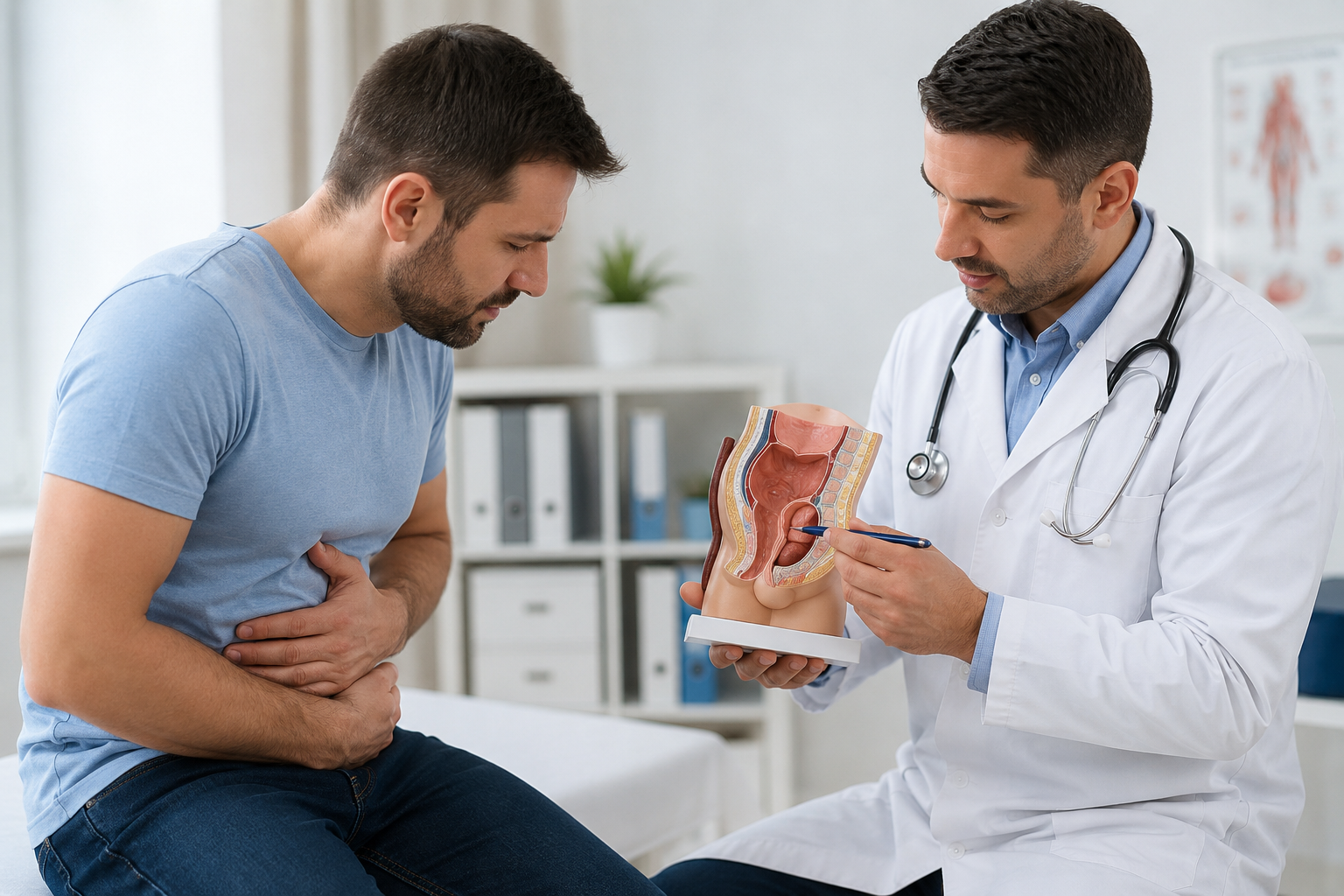
Wondering if your abdominal pain is a hernia? Learn symptoms, causes, and when hernia surgery may be needed.
Have you ever noticed a small bulge in your abdomen that becomes more visible when you cough or lift something heavy? It might be more than just muscle strain.
Understanding Hernia is important because this common condition can affect people of all ages. While some hernias may seem harmless at first, ignoring them can lead to serious complications later.
At Central Hospital Sharjah, our experienced general surgeons provide advanced diagnosis and treatment options to help patients recover safely and comfortably.
What Is a Hernia?
A hernia happens when an organ or fatty tissue pushes through a weak area in the surrounding muscle or connective tissue.
Think of it like a weak spot in a tire. When pressure builds up, something pushes outward. In the body, this often appears as a visible lump or swelling.
Hernias commonly develop in the abdomen or groin area, but they can occur in different parts of the body.
Types of Hernias
Inguinal Hernia
This is the most common type of hernia and usually affects men. It develops in the groin when part of the intestine pushes through a weak abdominal wall.
Umbilical Hernia
This type appears near the belly button. It is common in babies but can also affect adults, especially after pregnancy or weight gain.
Hiatal Hernia
A hiatal hernia occurs when part of the stomach moves upward into the chest through the diaphragm. Many people experience acid reflux or heartburn with this condition.
Incisional Hernia
Sometimes, hernias develop near scars from previous surgeries. This happens because the muscle wall may remain weak after healing.
Femoral Hernia
Femoral hernias are more common in women and develop near the upper thigh or groin area. These hernias carry a higher risk of complications if untreated.
Common Symptoms of Hernia
Hernia symptoms can vary depending on the type and severity. Some people notice symptoms immediately, while others ignore them for months.
Common signs include:
- A visible bulge or swelling
- Pain while coughing, bending, or lifting
- A heavy or dragging sensation
- Burning or aching discomfort
- Bloating or digestive issues
- Symptoms that gradually worsen over time
Some people joke that they “pulled a muscle at the gym,” only to later discover it was actually a hernia.
Causes and Risk Factors
Several factors can increase the risk of developing a hernia.
Muscle Weakness
Some people are born with weak abdominal muscles, while others develop weakness as they age.
Heavy Lifting
Repeated strain from lifting heavy objects at work or in the gym can put pressure on the abdominal wall.
Chronic Cough
Constant coughing increases pressure inside the abdomen and may contribute to hernia formation.
Obesity
Extra body weight places additional stress on muscles and tissues.
Pregnancy
Pregnancy stretches and weakens abdominal muscles, increasing the risk of hernias.
Previous Surgeries
Surgical scars sometimes create weak spots where hernias can develop later.
When Is a Hernia Dangerous?
Not all hernias require emergency treatment, but some can become life-threatening.
A strangulated hernia occurs when the blood supply to the trapped tissue gets blocked. This requires immediate medical attention.
Warning signs include:
- Severe or sudden pain
- Nausea and vomiting
- Redness around the bulge
- Fever
- A bulge that cannot be pushed back in
If you experience these symptoms, don’t wait. Seek emergency care immediately.
How Hernias Are Diagnosed
Doctors usually diagnose a hernia through a physical examination and discussion of symptoms.
In some cases, imaging tests may help confirm the diagnosis, including:
- Ultrasound
- CT scan
- Endoscopy for hiatal hernias
Early diagnosis helps prevent complications and makes treatment easier.
Treatment Options for Hernia
Lifestyle Changes
Small hernias may improve temporarily with healthy lifestyle habits such as:
- Maintaining a healthy weight
- Avoiding heavy lifting
- Eating fiber-rich foods to prevent constipation
Hernia Support Devices
Support belts or trusses may reduce discomfort for some patients, but they do not fix the hernia permanently.
Surgical Treatment
Surgery is often the most effective solution because hernias do not heal on their own.
Timely surgery helps prevent pain, enlargement, and dangerous complications.
Types of Hernia Surgery
Open Hernia Repair
In this traditional method, the surgeon makes an incision near the hernia and repairs the weak muscle area.
Laparoscopic Hernia Surgery
This minimally invasive technique uses smaller incisions and specialized instruments.
Benefits include:
- Faster recovery
- Less post-surgery pain
- Smaller scars
- Shorter hospital stay
Many patients return to normal activities much sooner after laparoscopic surgery.
Recovery After Hernia Surgery
Recovery time depends on the type of hernia and surgical approach used.
Most patients can walk within a day and return to light activities within a few weeks.
Doctors usually recommend:
- Avoiding heavy lifting temporarily
- Taking prescribed medications
- Attending follow-up appointments
- Gradually returning to exercise
Following recovery instructions carefully helps prevent recurrence.
Tips to Prevent Hernias
While not all hernias are preventable, healthy habits can lower your risk.
Here are a few practical tips:
- Maintain a healthy body weight
- Lift heavy objects properly
- Treat chronic cough and constipation early
- Strengthen core muscles safely
- Avoid smoking
Your abdominal muscles are not superheroes. They need support too.
Why Choose Central Hospital Sharjah for Hernia Treatment?
At Central Hospital Sharjah, patients receive expert care from experienced general surgeons using modern surgical techniques.
We offer:
- Advanced laparoscopic surgery options
- Personalized treatment plans
- Modern surgical facilities
- Comprehensive post-surgery care
- A strong focus on patient comfort and safety
Our team works closely with every patient to ensure smooth recovery and long-term results.
Conclusion
Understanding Hernia can help you recognize early warning signs before complications develop.
Ignoring pain, swelling, or discomfort may allow the condition to worsen over time. Early diagnosis and timely treatment can make a significant difference in recovery and quality of life.
If you are experiencing hernia symptoms, book a consultation with the expert general surgery team at Central Hospital Sharjah today for professional evaluation and advanced treatment options.