
Understanding Endometriosis: Symptoms, Diagnosis, and Treatment
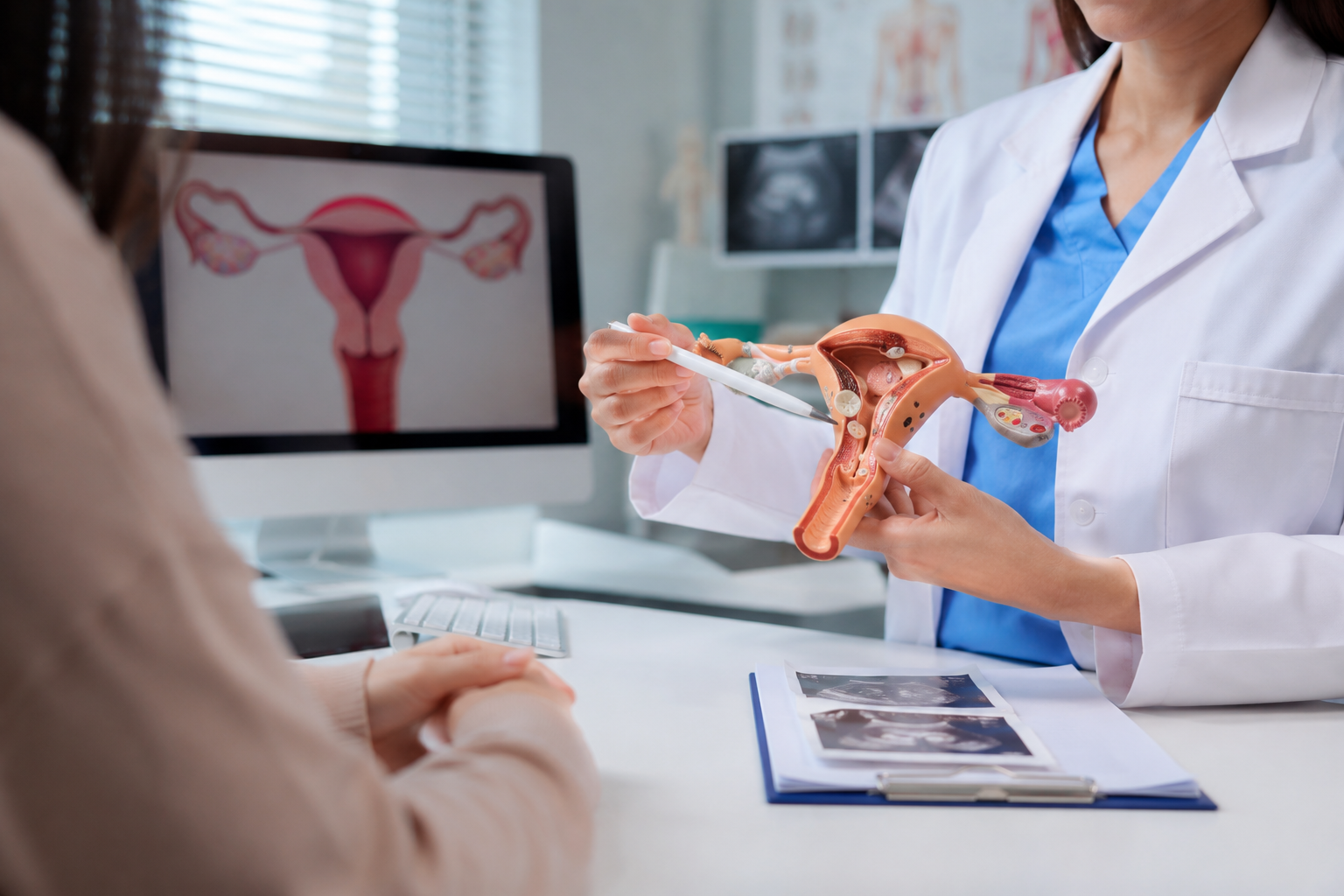
Learn about Endometriosis symptoms, diagnosis, treatment options, fertility concerns, and when to seek expert gynaecological care.
Many women experience period pain at some point in their lives. But when that pain becomes severe, persistent, or starts affecting daily activities, it may be a sign of something more serious.
One condition that often goes unnoticed is Endometriosis. Despite being a common women’s health condition, many women spend years searching for answers before receiving a proper diagnosis.
Understanding the symptoms and seeking medical help early can make a significant difference. Early diagnosis and treatment not only help manage pain but can also improve overall quality of life and protect future fertility.
What Is Endometriosis?
Endometriosis is a condition in which tissue similar to the lining of the uterus grows outside the uterus.
During each menstrual cycle, this tissue responds to hormonal changes just like the uterine lining. However, because it has no way to leave the body, it can cause inflammation, irritation, scar tissue, and pain.
The condition commonly affects:
- Ovaries
- Fallopian tubes
- Pelvic lining
- Tissue surrounding pelvic organs
Think of it as a “misplaced guest” that keeps showing up where it doesn’t belong and causes trouble every month.
Common Symptoms of Endometriosis
Symptoms vary from person to person. Some women experience mild discomfort, while others struggle with symptoms that affect work, relationships, and everyday life.
Pelvic Pain
Pelvic pain is often the most noticeable symptom.
Women may experience:
- Chronic pelvic pain
- Severe cramping before periods
- Pain during menstruation
- Pain that gradually worsens over time
It’s important to remember that extremely painful periods should never be ignored.
Pain During Daily Activities
Endometriosis can affect more than just menstrual cycles.
Many women report:
- Pain during intercourse
- Pain during bowel movements
- Pain while urinating, especially during periods
These symptoms can significantly impact comfort and confidence in daily life.
Menstrual Changes
Changes in menstrual patterns are also common.
These may include:
- Heavy menstrual bleeding
- Longer periods
- Irregular cycles
- Spotting between periods
Other Symptoms
Additional symptoms can include:
- Fatigue
- Bloating
- Nausea
- Lower back pain
Many women even joke about their “endo belly” when bloating becomes severe enough to make them look several months pregnant.
What Causes Endometriosis?
The exact cause of Endometriosis remains unclear. However, researchers believe several factors may contribute to its development.
Retrograde Menstruation
This theory suggests that menstrual blood flows backward through the fallopian tubes into the pelvic cavity instead of leaving the body.
Genetic Predisposition
If a close family member has Endometriosis, your risk may be higher.
Immune System Disorders
Problems within the immune system may prevent the body from recognizing and removing misplaced tissue.
Hormonal Influences
Hormones, particularly estrogen, can encourage the growth of endometrial-like tissue outside the uterus.
Risk Factors
Certain factors may increase the likelihood of developing the condition, including:
- Family history
- Early menstruation
- Short menstrual cycles
- Heavy menstrual flow
How Is Endometriosis Diagnosed?
Because symptoms often resemble other health conditions, diagnosis requires a careful and thorough evaluation.
Medical History and Symptom Assessment
Your gynecologist will ask about:
- Menstrual patterns
- Pain severity
- Symptom duration
- Fertility concerns
Providing detailed information helps guide the diagnostic process.
Physical Examination
A pelvic examination may reveal tenderness, cysts, or other abnormalities that require further investigation.
Imaging Tests
Ultrasound
Ultrasound is commonly used to identify ovarian cysts associated with Endometriosis.
MRI
In more complex situations, an MRI can provide detailed images of pelvic structures.
Laparoscopy
Laparoscopy is considered the most reliable method for confirming Endometriosis.
This minimally invasive procedure allows the surgeon to directly view and assess affected tissue through small incisions.
Treatment Options for Endometriosis
Treatment depends on symptom severity, age, overall health, and future pregnancy plans.
Pain Management
For mild symptoms, treatment may include:
- Over-the-counter pain relievers
- Heat therapy
- Regular physical activity
- Anti-inflammatory lifestyle changes
Hormonal Therapy
Hormonal treatments can help control symptoms by reducing hormonal stimulation of the abnormal tissue.
Options may include:
- Birth control pills
- Hormonal injections
- Hormone-regulating medications
Surgical Treatment
When symptoms are severe or medications do not provide adequate relief, surgery may be recommended.
Laparoscopic Surgery
Laparoscopic procedures can remove or reduce Endometriosis tissue while preserving healthy reproductive organs whenever possible.
Fertility Treatment
Women experiencing infertility may benefit from specialized fertility treatments, including assisted reproductive techniques and individualized fertility planning.
Can Endometriosis Affect Fertility?
Yes, Endometriosis can affect fertility by causing inflammation, scarring, or structural changes within the reproductive system.
However, a diagnosis does not mean pregnancy is impossible.
Many women successfully conceive naturally, while others benefit from fertility support and treatment. Early medical intervention often improves available options and outcomes.
When Should You See a Gynecologist?
You should seek medical advice if you experience:
- Persistent pelvic pain
- Severe menstrual cramps
- Heavy or irregular bleeding
- Pain during intercourse
- Difficulty conceiving
- Symptoms that interfere with daily life
Don’t assume severe pain is simply something you have to live with.
Tips for Managing Endometriosis
Living with Endometriosis can be challenging, but healthy habits can help improve symptom control.
Maintain a Healthy Lifestyle
Eat a balanced diet, stay hydrated, and prioritize quality sleep.
Exercise Regularly
Regular physical activity may help reduce inflammation and improve overall well-being.
Manage Stress
Stress can sometimes worsen symptoms. Relaxation techniques such as yoga, meditation, and breathing exercises may be helpful.
Follow Your Treatment Plan
Regular follow-up appointments ensure your treatment remains effective and allows adjustments when needed.
Conclusion
Endometriosis is a chronic condition that can affect physical health, emotional well-being, and fertility. While the symptoms can be challenging, early diagnosis and appropriate treatment can make a meaningful difference.
If you experience persistent pelvic pain, heavy periods, or fertility concerns, don’t ignore the signs. The experienced gynecology team at Central Hospital Sharjah is committed to providing compassionate care, accurate diagnosis, and personalized treatment plans to help women live healthier, more comfortable lives.