
The Role of Cholesterol in Heart Disease
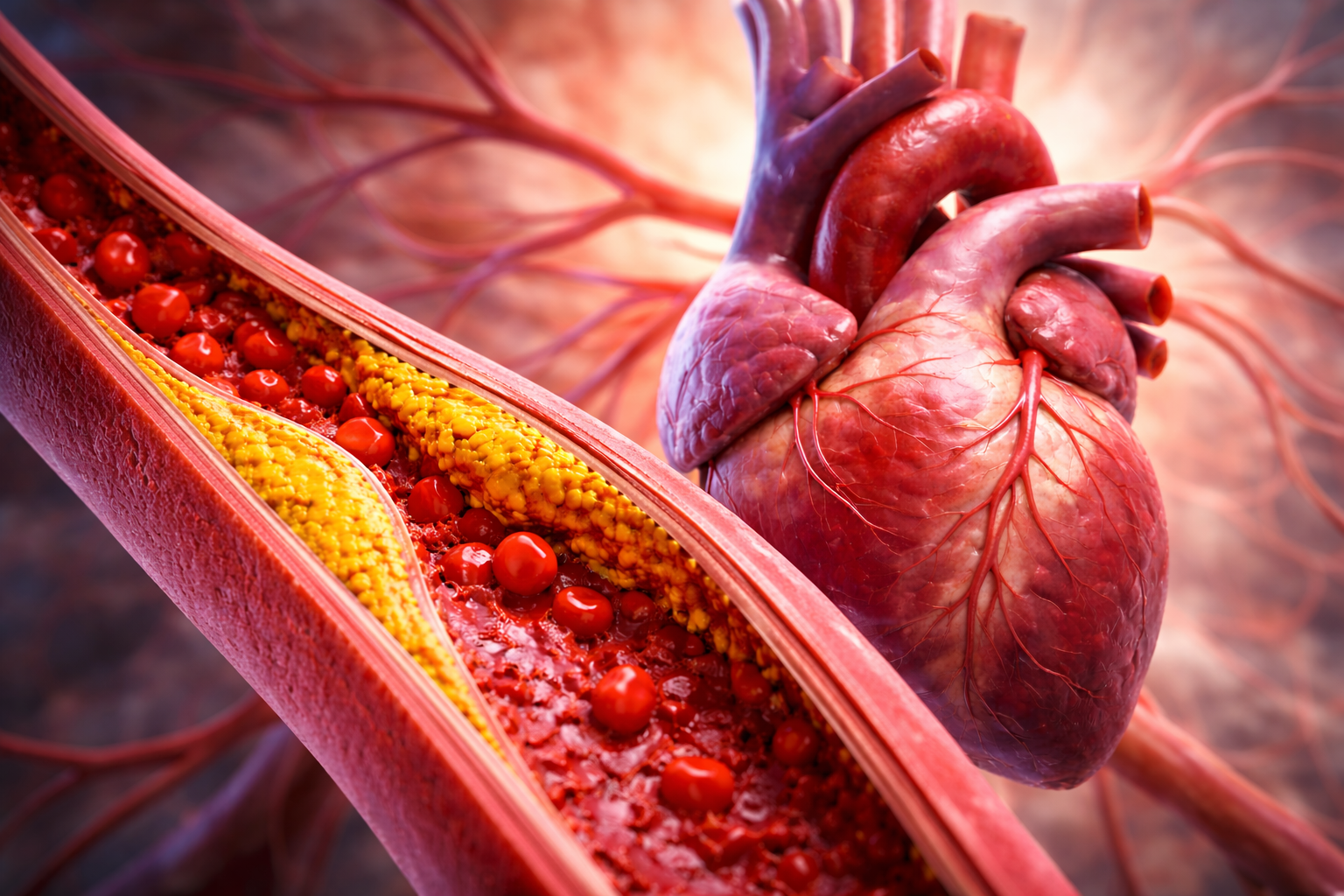
Is high cholesterol harming your heart? Learn how cholesterol affects heart disease and how to protect your heart health.
Most people have heard the word cholesterol, but not everyone truly understands what it does in the body. Surprisingly, cholesterol itself isn’t always harmful. In fact, your body actually needs it to function properly.
However, problems begin when cholesterol levels become too high. Excess cholesterol can build up in the blood vessels and gradually increase the risk of heart disease, which is one of the leading causes of health complications worldwide.
Understanding your cholesterol levels is one of the simplest yet most powerful steps you can take to protect your long-term heart health.
What Is Cholesterol?
Cholesterol is a waxy, fat-like substance found in your blood. Your body uses it to build healthy cells, produce hormones, and support important bodily functions.
Your liver naturally produces most of the cholesterol your body needs. The rest comes from the foods you eat, particularly animal-based products like meat, dairy, and eggs.
In small amounts, cholesterol plays a helpful role in the body. But when levels rise too high, it can start affecting your cardiovascular system and increase the chances of developing heart-related problems.
Types of Cholesterol
Not all cholesterol is the same. In fact, there are different types, and each affects your heart in a different way.
LDL (Low-Density Lipoprotein) – “Bad Cholesterol”
LDL cholesterol is often called bad cholesterol because it contributes to plaque buildup inside the arteries.
Over time, this plaque sticks to the artery walls, making them narrow and less flexible. When blood cannot flow freely, the risk of heart disease and stroke increases significantly.
Think of it like grease slowly clogging a kitchen pipe. At first, everything flows normally, but eventually the blockage causes problems.
HDL (High-Density Lipoprotein) – “Good Cholesterol”
HDL cholesterol works in the opposite way. It is known as good cholesterol because it helps remove excess cholesterol from the bloodstream.
HDL carries this extra cholesterol back to the liver, where the body can process and remove it.
Higher HDL levels generally support better heart health and help protect against cardiovascular complications.
Triglycerides
Triglycerides are another type of fat found in the blood. Your body stores unused calories as triglycerides to use later for energy.
But when triglyceride levels become too high, they can contribute to plaque buildup in arteries and increase cardiovascular risk.
High triglycerides combined with high LDL and low HDL create the perfect conditions for heart problems to develop.
How High Cholesterol Leads to Heart Disease
High cholesterol doesn’t damage the heart overnight. It usually develops slowly over time.
When excess cholesterol circulates in the bloodstream, it begins to stick to the walls of arteries. This process forms plaque, a condition called atherosclerosis.
As plaque builds up:
- Arteries become narrower
- Blood flow to the heart decreases
- The heart must work harder to pump blood
Eventually, a blocked artery can trigger a heart attack or stroke. That’s why monitoring cholesterol levels early is so important.
Risk Factors for High Cholesterol
Several everyday habits and health conditions can increase cholesterol levels.
Common risk factors include:
- Diets high in saturated and trans fats
- Lack of physical activity
- Being overweight or obese
- Smoking
- Diabetes
- Family history of high cholesterol
Modern lifestyles often make these risks more common. Long hours at a desk, processed foods, and stress can all quietly contribute to rising cholesterol levels.
Symptoms of High Cholesterol
One tricky thing about high cholesterol is that it usually has no obvious symptoms.
Many people feel completely healthy while their cholesterol levels are rising silently in the background.
This is why routine blood tests are so important. Often, people only discover high cholesterol during a regular health checkup or screening.
Regular testing helps detect potential issues before they lead to serious complications.
How to Manage and Lower Cholesterol
The good news is that cholesterol levels can often be improved with the right lifestyle habits.
Healthy Diet
A heart-friendly diet can make a big difference. Try adding more:
- Fruits and vegetables
- Whole grains
- Nuts and seeds
- Healthy fats like olive oil and fish
Reducing fried foods and processed snacks can also help keep cholesterol levels balanced.
Regular Exercise
Physical activity helps increase HDL (good cholesterol) while lowering harmful cholesterol levels.
Even simple activities like walking, cycling, or swimming for 30 minutes a day can support heart health.
Weight Management
Losing excess weight can significantly improve cholesterol levels and reduce stress on the heart.
Even small weight changes can make a noticeable difference.
Medications
Sometimes lifestyle changes alone are not enough.
In such cases, doctors may prescribe cholesterol-lowering medications to help reduce the risk of heart disease and protect the cardiovascular system.
Importance of Regular Heart Checkups
Routine heart screenings play a key role in maintaining cardiovascular health.
Cholesterol tests allow doctors to track changes in your levels and identify risks early. Early detection helps prevent serious complications before they develop.
A cardiologist can also recommend lifestyle changes, medications, or additional tests if needed.
When to See a Cardiologist
You should consider visiting a cardiologist if you have:
- A family history of heart disease
- Persistently high cholesterol levels
- Chest pain or pressure
- Shortness of breath
- Unusual fatigue during physical activity
Early evaluation can help prevent future heart complications and keep your heart functioning properly.
Conclusion
Cholesterol plays an important role in the body, but too much of it can create serious health risks.
When cholesterol builds up in the arteries, it can slowly increase the likelihood of heart disease, heart attacks, and stroke.
The good news is that many of these risks can be prevented. Healthy eating, regular exercise, routine screenings, and medical guidance can help keep cholesterol levels under control.
Taking care of your heart today can make a big difference for your health tomorrow. Regular checkups and early awareness are the keys to maintaining a strong and healthy heart.
Leave a Reply