
Irregular Periods: Causes and When to See a Gynecologist
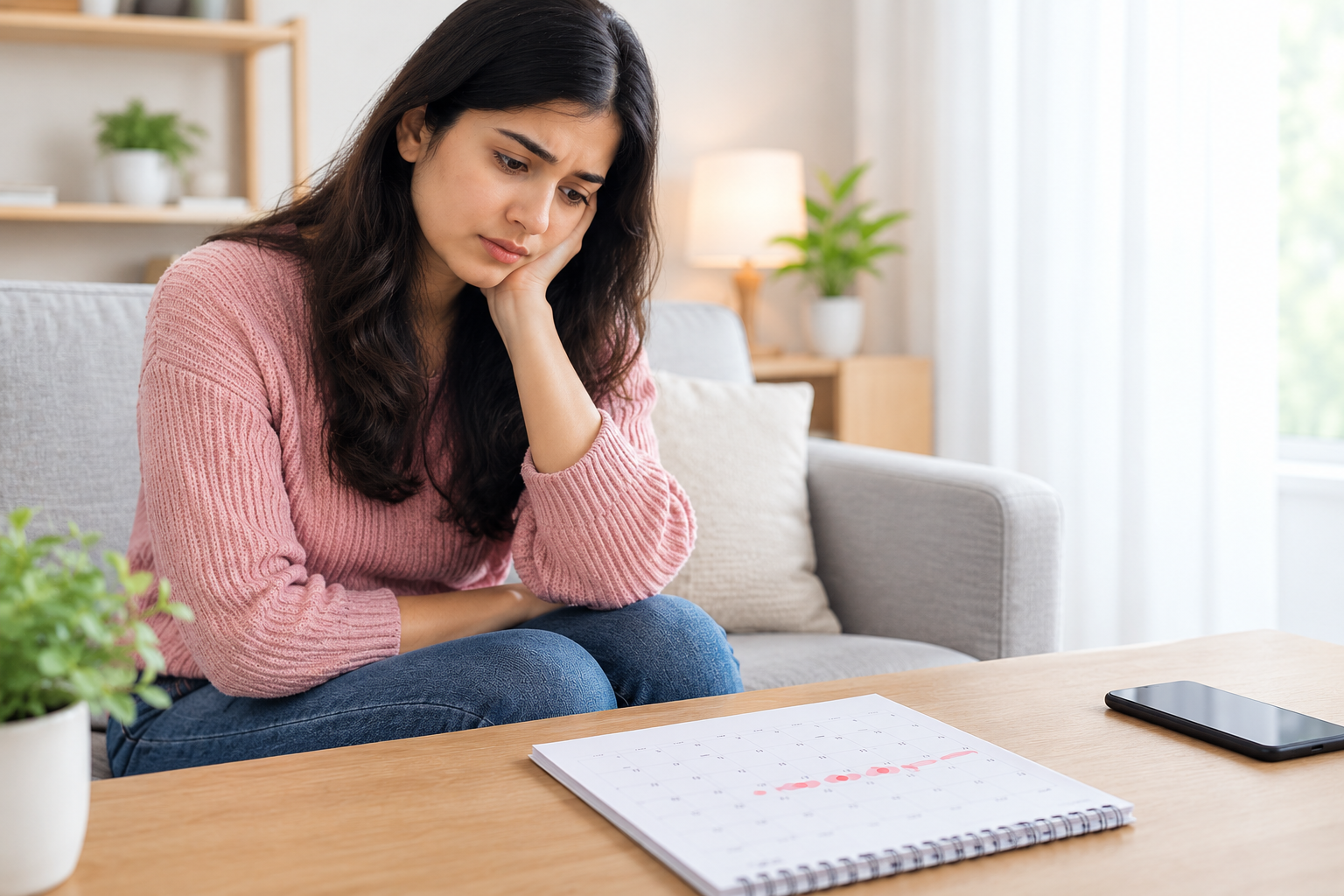
Have your periods started arriving earlier than expected, showing up late, or skipping a month altogether? Menstrual cycle changes can happen for several reasons. Sometimes, they are linked to stress or normal hormonal shifts. In other cases, they may point to an underlying health concern that needs attention.
Understanding your menstrual cycle helps you recognise what is normal for your body and when something feels different. If your periods have become unpredictable, consulting a Gynecologist in Sharjah can help you understand the cause and find the right treatment.
What Are Irregular Periods?
A typical menstrual cycle lasts around 21 to 35 days in adults, measured from the first day of one period to the first day of the next. However, cycle patterns can vary depending on age, hormonal changes, and individual health.
Irregular periods occur when your menstrual cycle becomes unpredictable. You might experience missed periods, unusually frequent bleeding, or periods that last longer or shorter than usual. Occasional changes may not indicate a problem, but repeated changes deserve attention.
What Are the Common Symptoms?
Your body may show several signs when your menstrual cycle becomes irregular, including:
- Periods that arrive earlier or later than expected
- Missed periods or skipped menstrual cycles
- Unusually heavy or light bleeding
- Bleeding that lasts longer than seven days
- Spotting between periods
- Menstrual changes accompanied by pelvic pain or unusual discomfort
Keeping track of these symptoms can help your gynecologist identify possible causes.
What Causes Irregular Periods?
Several factors can affect the hormones that control your menstrual cycle.
1. Hormonal Imbalances
Your menstrual cycle depends on a balance of reproductive hormones. When these hormone levels change, your periods may become irregular or stop temporarily.
2. Polycystic Ovary Syndrome (PCOS)
PCOS can affect ovulation, making periods less frequent or unpredictable. Other symptoms may include acne, excess facial hair, and difficulty conceiving.
3. Thyroid Disorders
Your thyroid gland helps regulate many body functions, including menstruation. An underactive or overactive thyroid can affect cycle regularity and bleeding patterns.
4. Stress and Lifestyle Changes
Ongoing stress, significant weight changes, restrictive diets, and excessive exercise can interfere with the hormones responsible for ovulation. Even major changes in your daily routine may affect your cycle.
5. Pregnancy and Breastfeeding
A missed period can be an early sign of pregnancy. Breastfeeding can also delay the return of regular periods after childbirth. If pregnancy is possible, consider taking a pregnancy test.
6. Perimenopause
The years leading up to menopause often bring hormonal changes. During this stage, periods may become less predictable, lighter, or heavier.
7. Medications and Contraception
Hormonal contraceptives, certain medications, and changes in birth control methods can affect menstrual bleeding. Speak with your doctor if these changes concern you.
8. Other Medical Conditions
Conditions such as uterine fibroids, endometriosis, and other problems affecting the reproductive organs may contribute to unusual bleeding or changes in your cycle.
When Should You See a Gynecologist for Irregular Periods?
Occasional changes may be harmless, but persistent or unusual symptoms should not be ignored.
Consider booking a gynecology appointment if:
- Your cycles repeatedly occur less than 21 days or more than 35 days apart.
- You miss your period for three months without an obvious explanation.
- Your bleeding lasts longer than seven days.
- You experience very heavy bleeding or frequent spotting between periods.
- You have persistent pelvic pain or severe menstrual discomfort.
- You have irregular periods and are finding it difficult to conceive.
- Your menstrual pattern changes suddenly or continues to concern you.
Seek urgent medical care if you experience very heavy bleeding with dizziness or fainting. Severe abdominal pain with a missed period, especially if pregnancy is possible, also requires urgent assessment.
How Are Irregular Periods Diagnosed?
Your gynecologist will first ask about your menstrual history, symptoms, medications, and general health. Depending on your situation, the assessment may include a physical examination.
Your doctor may recommend a pregnancy test, blood tests to check thyroid or hormone levels, or a pelvic ultrasound. These investigations help identify the underlying cause and guide treatment. Not everyone needs every test.
What Are the Treatment Options?
Treatment depends on what is causing the changes. Your doctor may recommend:
- Lifestyle adjustments: Improving nutrition, sleep, physical activity, and stress management.
- Hormonal treatment: Using prescribed medication or hormonal contraception when appropriate to regulate bleeding.
- PCOS management: Addressing symptoms and supporting regular ovulation where possible.
- Thyroid treatment: Managing an underlying thyroid disorder.
- Treatment for gynecological conditions: Addressing conditions such as fibroids when necessary.
Your gynecologist may also recommend follow-up visits to check how well the treatment is working. Avoid taking hormonal medicines without medical advice.
Can You Manage Irregular Periods Naturally?
Healthy daily habits can support menstrual health, although they cannot treat every underlying cause.
Start by tracking your period dates, bleeding duration, and symptoms using a calendar or period-tracking app. Eat balanced meals, stay physically active, get enough sleep, and find practical ways to manage stress.
Avoid extreme diets and excessive exercise, especially if you have noticed changes in your cycle. If your periods remain irregular, seek medical advice rather than relying only on home remedies.
Can Irregular Periods Affect Fertility?
Irregular periods can sometimes indicate that ovulation is not happening regularly. Since ovulation releases the egg needed for pregnancy, unpredictable ovulation can make it harder to identify your fertile days.
Conditions such as PCOS and thyroid disorders may also affect fertility. However, irregular periods do not automatically mean you cannot become pregnant. A gynecologist can assess your cycle, identify possible causes, and discuss suitable options if you are planning a pregnancy.
Frequently Asked Questions
1. What is considered an irregular period?
For most adults, menstrual cycles shorter than 21 days or longer than 35 days may be considered irregular. Repeated changes in bleeding duration or missed periods also deserve attention.
2. What are the most common causes of irregular periods?
Common causes include hormonal imbalances, PCOS, thyroid disorders, stress, significant weight changes, pregnancy, breastfeeding, and perimenopause.
3. Can stress cause irregular periods?
Yes. Ongoing emotional or physical stress can affect the hormones involved in ovulation, potentially delaying or disrupting your period.
4. Are irregular periods a sign of PCOS?
They can be. PCOS may cause irregular or missed periods, but other symptoms and medical assessments help determine whether PCOS is responsible.
5. Can irregular periods affect pregnancy?
Irregular cycles may make ovulation less predictable and conception more difficult. However, many women with irregular periods can become pregnant.
6. When should I worry about a missed period?
Consider a pregnancy test if pregnancy is possible. Seek medical advice if you miss three consecutive periods, or sooner if you have pain or other concerning symptoms.
7. Which doctor should I consult for irregular periods?
A gynecologist can assess menstrual changes, investigate possible causes, and recommend appropriate treatment.
8. When should I visit a gynecologist in Sharjah?
Consider an appointment if your periods remain unpredictable, your bleeding changes significantly, or you experience persistent pain or difficulty conceiving.
Take Charge of Your Menstrual Health
Your menstrual cycle can offer useful clues about your overall health. Although occasional changes are common, persistent irregularities deserve attention, especially when they occur alongside pain, unusually heavy bleeding, or fertility concerns.
If you are experiencing menstrual changes, Central Hospital Sharjah can help you access gynecology care and discuss your concerns with a healthcare professional.
Book a gynecology consultation at Central Hospital Sharjah.
Leave a Reply
You must be logged in to post a comment.