
Best Diet for Heart Health: Cardiologist-Approved Foods
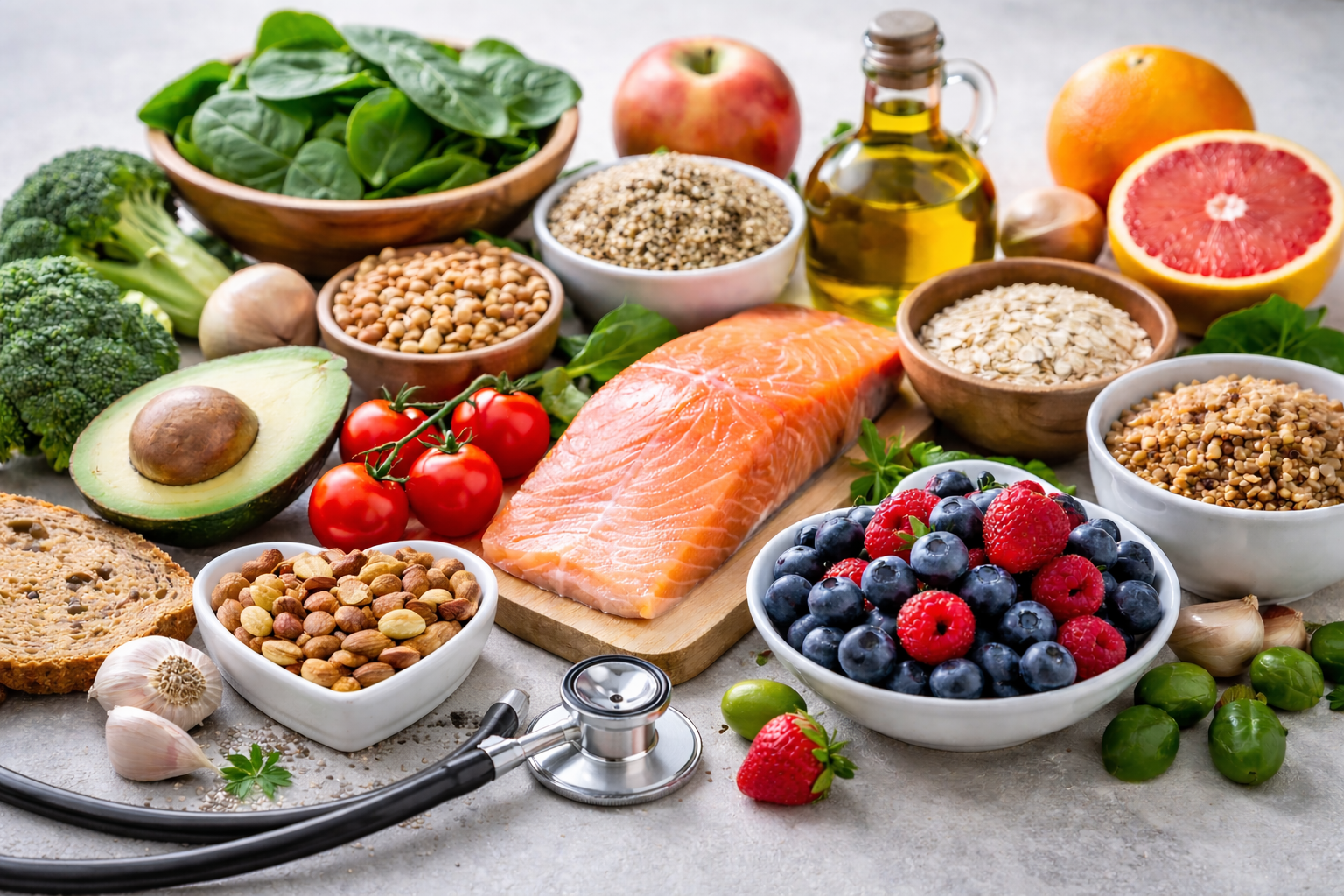
Your heart works nonstop—literally from your first breath to your last. Yet many of us only start thinking about heart health after a scare or a diagnosis. The good news? What you eat every day can make a powerful difference.
At Central Hospital Sharjah, our cardiologists often remind patients that medication helps, but nutrition protects. A smart Diet for Heart Health can lower risks, boost energy, and help you feel better overall.
With heart-related conditions on the rise due to stress, poor food choices, and sedentary lifestyles, eating right is no longer optional—it’s essential.
Why Diet Matters for Heart Health
Food directly affects cholesterol levels, blood pressure, and blood sugar. Think of your arteries like plumbing—what you put in determines how smoothly everything flows.
A diet high in salt, sugar, and unhealthy fats can slowly clog arteries, raise blood pressure, and increase the risk of heart disease and stroke. On the flip side, nutrient-rich foods support circulation and protect your heart muscle.
Cardiologists focus on prevention, and nutrition is one of the simplest, most effective tools available.
Key Principles of a Heart-Healthy Diet
You don’t need fancy superfoods or extreme diets. Heart-healthy eating is about balance and consistency.
- Choose whole, natural, and minimally processed foods
- Balance healthy fats, lean proteins, fiber, and complex carbs
- Practice portion control—yes, even with healthy foods
- Limit salt, added sugar, and saturated fats
If it comes in a flashy packet and lasts forever on a shelf, your heart probably won’t thank you for it.
Cardiologist-Approved Foods for a Healthy Heart
1. Fruits and Vegetables
Leafy greens like spinach and kale are heart heroes. They’re packed with fiber, potassium, and antioxidants.
Berries, apples, and citrus fruits help fight inflammation and keep cholesterol levels in check. Aim for a colorful plate—the more colors, the better.
2. Whole Grains
Oats, brown rice, quinoa, and whole-wheat bread are rich in fibre, which helps lower LDL (bad cholesterol).
Starting your day with oats instead of sugary cereal is a small change that delivers big heart benefits.
3. Healthy Fats
Not all fats are the villain. Olive oil, avocados, nuts, and seeds support heart health when used in moderation.
Omega-3-rich foods like salmon, mackerel, and walnuts reduce inflammation and protect blood vessels. Think of them as premium fuel for your heart.
4. Lean Proteins
Fish, skinless poultry, beans, and lentils provide protein without overloading your body with unhealthy fats.
Plant-based proteins are especially heart-friendly. As for red meat—occasional, small portions are okay, but daily indulgence isn’t.
5. Low-Fat Dairy
Low-fat milk, yogurt, and cheese provide calcium and vitamin D, which support heart and bone health.
Moderation is key—your heart prefers balance, not extremes.
Foods Cardiologists Recommend Limiting or Avoiding
Some foods quietly sabotage heart health.
- Processed and fried foods
- Excess salt and hidden sodium
- Sugary drinks and desserts
- Trans fats and refined carbohydrates
If your food tastes amazing straight out of a packet, check the label—your heart might be paying the price.
Heart-Healthy Eating Tips from Cardiologists
Reading food labels can feel boring, but it’s worth it. Watch for sodium, sugar, and unhealthy fats hiding in plain sight.
Choose smart cooking methods like grilling, steaming, or baking. Meal planning helps busy schedules stay on track.
Stay hydrated, and if you drink alcohol, keep it limited. Your heart enjoys calm, not chaos.
Special Diet Considerations
For patients with high blood pressure, reducing salt is critical. Those with diabetes should focus on controlling carbs and sugar spikes.
Weight management also plays a big role. Even small weight loss can improve heart function and reduce strain.
A personalized Diet for Heart Health works best when tailored to your medical needs.
Sample One-Day Heart-Healthy Meal Plan
Breakfast:
Oatmeal with berries and a handful of nuts
Lunch:
Grilled chicken or lentil salad with olive oil dressing
Dinner:
Baked salmon, brown rice, and steamed vegetables
Healthy Snacks:
Fruit, yogurt, or a small portion of nuts
Simple, satisfying, and heart-approved.
When to Consult a Cardiologist or Diet Expert
If you experience fatigue, chest discomfort, high blood pressure, or abnormal cholesterol levels, your diet may need attention.
Personalized guidance from a cardiologist or diet expert can make a real difference. Regular heart check-ups help catch problems early—before they escalate.
Conclusion
A cardiologist-approved diet isn’t about restriction—it’s about smart choices you can maintain for life. By focusing on whole foods, healthy fats, and balanced meals, you give your heart the care it deserves.
At Central Hospital Sharjah, we believe prevention starts on your plate. Adopt healthy eating habits today, and your heart will thank you tomorrow—with every beat.
Leave a Reply