
Silent Heart Attacks: Signs Many People Miss
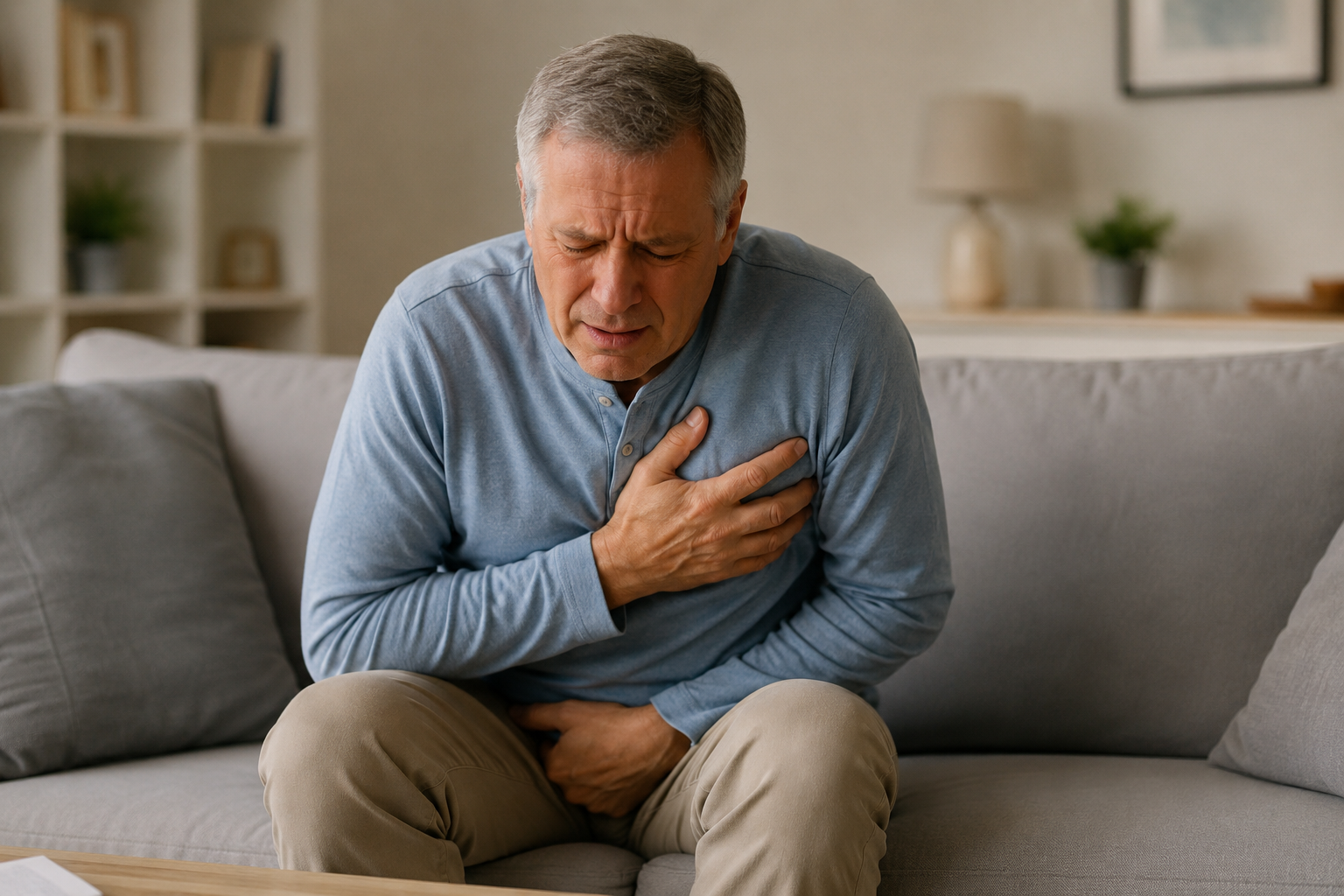
Most people imagine Heart Attacks as dramatic moments — sudden chest pain, collapsing to the floor, and rushing to the emergency room. Movies have taught us that version well.
But in real life, not all Heart Attacks announce themselves loudly.
Some happen quietly, with mild symptoms that people brush off as tiredness, acidity, stress, or even lack of sleep. These are called silent heart attacks, and they can be just as dangerous as typical ones.
The scary part? Many people do not even realize they had one until later medical tests reveal heart damage.
What Is a Silent Heart Attack?
A silent heart attack, also known as a silent myocardial infarction, happens when blood flow to the heart becomes blocked, damaging the heart muscle.
Unlike a typical heart attack, the symptoms are often mild, vague, or completely unnoticed.
Instead of severe chest pain, a person may only feel slight discomfort, unusual fatigue, or shortness of breath. Because the signs seem harmless, many people ignore them or mistake them for everyday health issues.
That is why awareness matters so much.
Common Signs of a Silent Heart Attack
Silent Heart Attacks may not scream for attention, but the body often sends subtle warning signals.
Mild Chest Discomfort
Not everyone experiences intense chest pain.
Some people only feel pressure, tightness, heaviness, or discomfort in the chest that comes and goes. It may feel more annoying than alarming.
Unusual Fatigue
Have you ever felt exhausted even after resting properly?
Extreme tiredness without a clear reason can sometimes signal reduced blood flow to the heart, especially in women and older adults.
Shortness of Breath
Feeling breathless while walking, climbing stairs, or even resting should never be ignored.
When the heart struggles to pump efficiently, the body may not get enough oxygen.
Pain in Other Areas
Silent Heart Attacks can cause discomfort in places other than the chest.
Pain may appear in the jaw, neck, shoulders, upper back, or arms. Some people describe it as a dull ache rather than sharp pain.
Indigestion or Nausea
Many people mistake silent heart attack symptoms for acidity or stomach problems.
A burning sensation, nausea, bloating, or stomach discomfort can sometimes be linked to heart trouble instead.
Cold Sweats or Dizziness
Sudden sweating, lightheadedness, weakness, or dizziness may also be warning signs.
If these symptoms appear unexpectedly, especially alongside chest discomfort, it is important to seek medical advice.
Why Silent Heart Attacks Are Often Missed
One major reason silent Heart Attacks go unnoticed is that the symptoms resemble common everyday problems.
People often blame stress, tiredness, aging, indigestion, or poor sleep.
Some individuals simply “push through” discomfort because life gets busy. Others avoid checkups because the symptoms seem too mild to matter.
In some cases, there may be almost no symptoms at all, making diagnosis even more difficult.
Who Is at Higher Risk?
Although silent Heart Attacks can affect anyone, some groups face higher risk.
People with Diabetes
Diabetes can damage nerves, reducing pain sensation. This means a person may not feel the typical chest pain associated with Heart Attacks.
Older Adults
Symptoms in older adults are often less obvious and easier to overlook.
Women
Women frequently experience atypical symptoms such as fatigue, nausea, or back pain instead of classic chest pain.
Individuals with High Blood Pressure or Cholesterol
Both conditions increase strain on the heart and blood vessels, raising cardiovascular risk.
Smokers and People with Obesity
Lifestyle habits also play a major role in heart health and circulation problems.
Possible Complications of Silent Heart Attacks
Ignoring a silent heart attack can lead to serious health problems later.
Complications may include:
- Permanent heart muscle damage
- Heart failure
- Irregular heartbeat (arrhythmia)
- Increased risk of future Heart Attacks
- Sudden cardiac complications
The longer treatment gets delayed, the greater the damage can become.
How Silent Heart Attacks Are Diagnosed
Doctors use several tests to identify silent Heart Attacks and assess heart function.
Electrocardiogram (ECG)
An ECG records the heart’s electrical activity and can reveal signs of previous heart damage.
Echocardiogram
This imaging test evaluates the heart’s structure and pumping ability.
Blood Tests
Certain blood markers help doctors detect heart muscle injury.
Stress Testing and Imaging
Stress tests and cardiac imaging help assess blood flow and identify blocked arteries.
Treatment Options
Treatment depends on the severity of the condition and overall heart health.
Doctors may recommend:
- Lifestyle changes like healthier eating and exercise
- Medications for blood pressure, cholesterol, or blood clot prevention
- Angioplasty or other cardiac procedures if arteries are blocked
- Regular follow-ups with a cardiologist
The goal is to protect the heart and prevent future Heart Attacks.
Tips to Prevent Silent Heart Attacks
Good heart health starts with daily habits.
Here are a few practical steps:
- Eat a balanced, heart-healthy diet
- Stay physically active
- Control diabetes, blood pressure, and cholesterol
- Avoid smoking and excessive alcohol
- Manage stress effectively
- Schedule regular heart checkups
Think of it this way — your heart works for you 24/7. Giving it proper care is the least we can do.
When to See a Cardiologist
Do not ignore symptoms that feel unusual, even if they seem mild.
You should see a cardiologist if you experience:
- Persistent fatigue
- Unexplained chest discomfort
- Frequent shortness of breath
- Dizziness or sudden sweating
- A family history of heart disease
- Existing conditions like diabetes or hypertension
Early diagnosis can save lives.
Conclusion
Silent Heart Attacks are dangerous because they often hide behind ordinary symptoms.
What feels like simple tiredness, indigestion, or stress could actually be a warning sign from your heart.
The good news is that early medical attention, regular screenings, and healthy lifestyle habits can significantly reduce the risk of serious complications.
If you notice unusual symptoms or have existing heart risk factors, consult the expert cardiology team at Central Hospital Sharjah for advanced heart care, accurate diagnosis, and preventive screenings designed to keep your heart healthy for years to come.
Leave a Reply