
Severe Menstrual Cramps: When Pain Is Not Normal
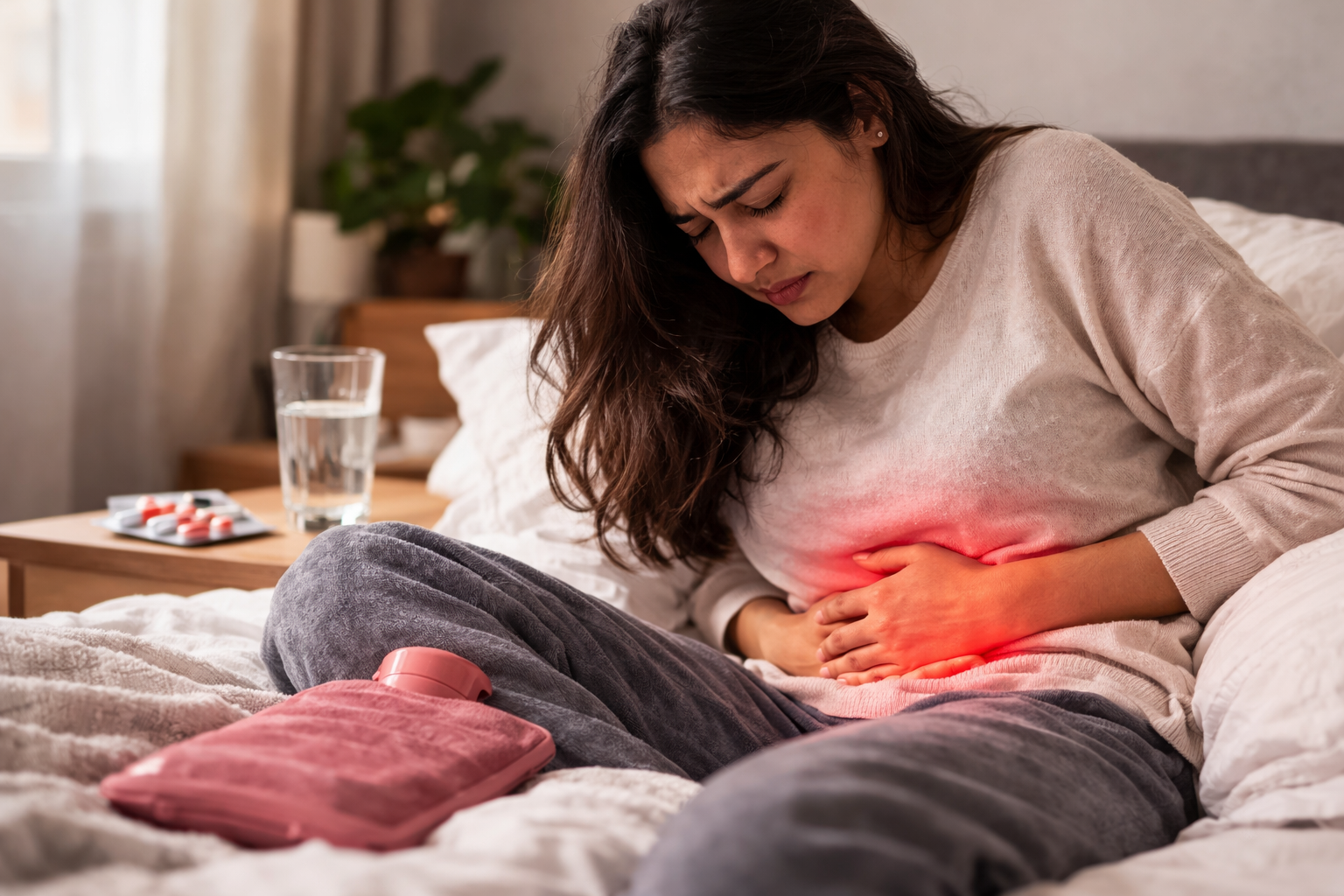
Most women experience menstrual cramps at some point in their lives. A dull ache or mild pain in the lower abdomen during periods is quite common and usually nothing to worry about.
However, not all period pain is normal. When cramps become intense, last longer than usual, or interfere with everyday activities, they may indicate something more serious.
Severe Menstrual Cramps can sometimes be a sign of an underlying medical condition that requires attention. Understanding the difference between normal and abnormal menstrual pain can help women make better decisions about their health and know when it’s time to seek medical advice.
What Are Menstrual Cramps?
Menstrual cramps, medically known as dysmenorrhea, are painful sensations felt in the lower abdomen during menstruation.
These cramps occur because the uterus contracts to shed its lining. The body releases hormone-like chemicals called prostaglandins that trigger these contractions. Higher levels of these chemicals can lead to stronger and more painful cramps.
Doctors usually categorize menstrual cramps into two types. Primary dysmenorrhea refers to common menstrual pain that is not caused by any underlying medical condition. It often begins during the teenage years and may improve with age.
Secondary dysmenorrhea, on the other hand, occurs due to an underlying reproductive health problem such as fibroids or endometriosis. This type of pain usually appears later in life and can become progressively worse.
What Are Considered Normal Period Cramps?
Normal menstrual cramps typically involve mild to moderate discomfort in the lower abdomen or pelvic area. The pain often starts shortly before or at the beginning of the menstrual cycle and usually lasts one to three days.
Most women are still able to carry on with their daily routines even if they feel some discomfort. Simple remedies such as resting, applying a heating pad, or taking mild pain relievers often help ease the pain.
For example, many women feel slightly uncomfortable on the first day of their period but can still go to work, attend classes, or handle daily tasks without much trouble. In such cases, the cramps are considered normal.
Signs Your Menstrual Pain May Not Be Normal
Sometimes menstrual pain goes beyond ordinary cramps. When pain becomes intense or persistent, it may signal Severe Menstrual Cramps linked to a medical issue.
Pain that prevents you from going to work, attending school, or completing everyday activities is a warning sign. Cramps that last longer than two or three days or become worse with every cycle should also be taken seriously.
Other concerning symptoms include unusually heavy bleeding, irregular menstrual cycles, nausea, vomiting, dizziness, or even fainting. Some women also experience pain that starts several days before their period and continues even after the cycle ends.
If these symptoms sound familiar, it may be time to consult a gynecologist.
Common Medical Conditions That Cause Severe Cramps
Several medical conditions can cause Severe Menstrual Cramps.
One of the most common is endometriosis, a condition in which tissue similar to the uterine lining grows outside the uterus. This can lead to intense pain during periods and sometimes fertility problems.
Uterine fibroids, which are non-cancerous growths in the uterus, can also cause heavy bleeding and painful cramps. Another condition called adenomyosis occurs when the uterine lining grows into the muscular wall of the uterus, resulting in severe pain and heavy periods.
Pelvic infections such as pelvic inflammatory disease (PID) and issues like ovarian cysts can also contribute to significant menstrual pain.
Risk Factors for Severe Menstrual Cramps
Some women are more likely to experience Severe Menstrual Cramps than others. Starting menstruation at a very early age may increase the chances of having painful periods.
A family history of painful periods can also play a role. Women who experience heavy or prolonged menstrual bleeding often report stronger cramps.
Hormonal imbalances, smoking, and certain lifestyle habits may also contribute to increased menstrual discomfort.
When Should You See a Gynecologist?
It can be tempting to ignore painful periods and assume they are normal. But if menstrual pain becomes a regular part of your monthly cycle, it’s important to seek medical advice.
You should consider visiting a gynecologist if the pain occurs during every cycle, does not improve with medication, or suddenly becomes more severe than before.
If cramps are accompanied by heavy bleeding, irregular periods, or difficulty carrying out daily activities, professional evaluation is strongly recommended.
Diagnosis of Severe Menstrual Pain
Diagnosing the cause of menstrual pain usually begins with a detailed discussion about symptoms and medical history.
A gynecologist may perform a pelvic examination to check for any abnormalities in the reproductive organs. Imaging tests such as ultrasound can help detect conditions like fibroids, ovarian cysts, or other structural problems.
If necessary, additional tests may be recommended to identify specific conditions causing the pain.
Treatment Options for Severe Menstrual Cramps
The treatment for Severe Menstrual Cramps depends on the underlying cause.
Doctors may recommend anti-inflammatory pain relief medications to reduce discomfort. Hormonal treatments, including birth control pills or other hormone therapies, can help regulate menstrual cycles and reduce cramps.
In cases where an underlying medical condition is responsible for the pain, targeted treatment may be necessary. Rarely, surgical procedures may be considered if other treatments do not provide relief.
Tips to Manage Menstrual Cramps at Home
In addition to medical treatment, certain lifestyle changes can help reduce menstrual discomfort.
Applying heat to the lower abdomen can relax the muscles and ease pain. Light physical activity such as walking or stretching may also help improve blood flow and reduce cramps.
Eating a balanced diet, staying hydrated, and getting enough rest can make a noticeable difference. Stress management techniques like yoga, meditation, or deep breathing can also help the body cope better with menstrual pain.
Conclusion
Menstrual cramps are common, but severe pain should never be considered normal.
If Severe Menstrual Cramps are affecting your daily life, it may be your body’s way of signaling an underlying health issue. Ignoring the symptoms can delay diagnosis and treatment.
Seeking medical care early can help identify the cause, manage the pain effectively, and improve overall quality of life. With the right care and guidance, painful periods don’t have to control your routine.
Leave a Reply