
Is General Surgery Safe? Understanding Risks, Success Rates, and Safety Measures
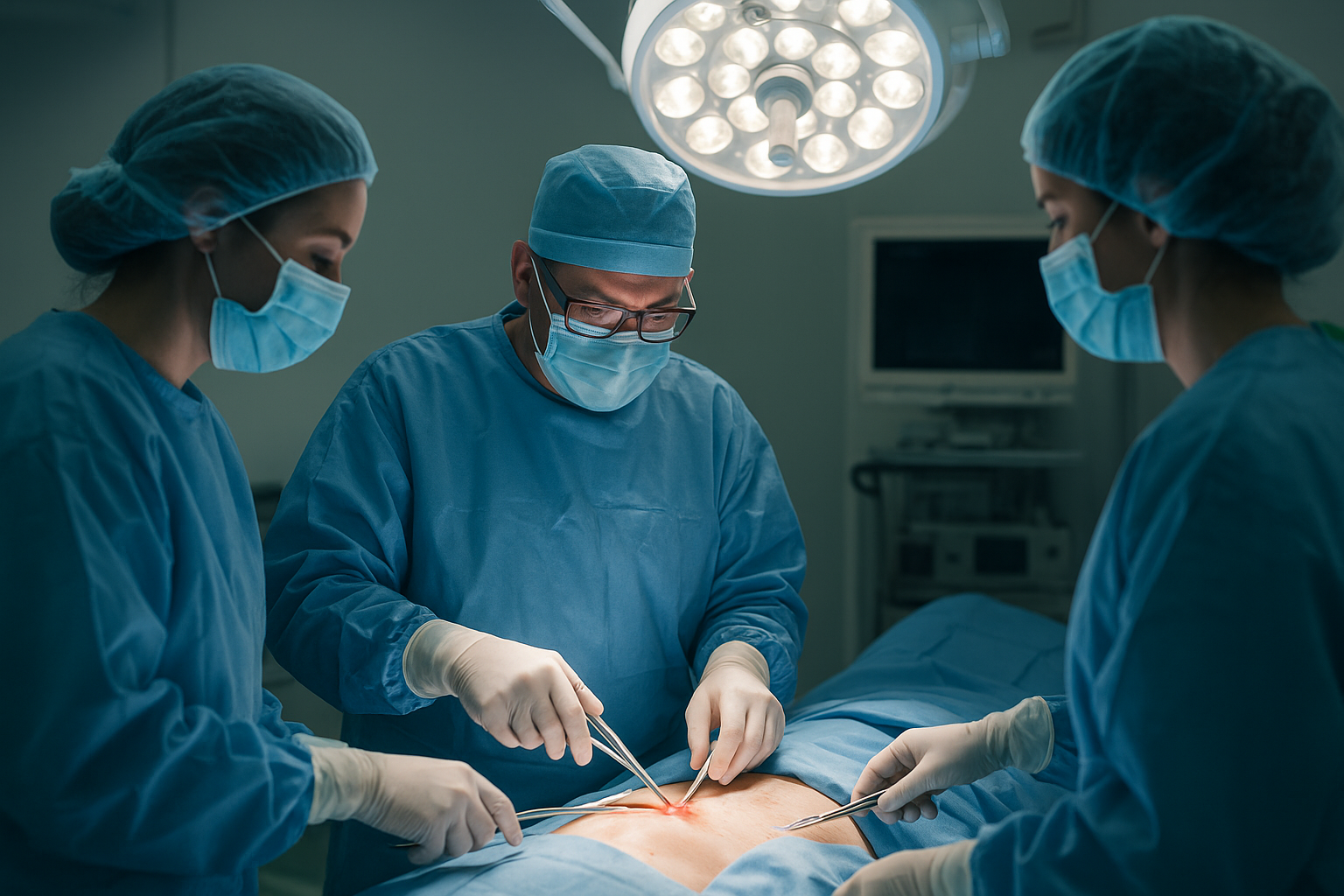
Is General Surgery safe? Learn about risks, success rates, & modern safety measures that make surgery safer and recovery smoother than ever.
If the word surgery makes your heart race a little, you’re not alone.
Most people feel anxious when they hear they might need an operation—and that’s completely normal.
Questions like “Is it safe?”, “What can go wrong?”, or “Will I recover fully?” often run through patients’ minds.
Understanding how General Surgery works, what risks exist, and how doctors manage them can bring a lot of peace of mind.
The good news? Thanks to modern medical advances, general surgery today is safer, more precise, and more patient-friendly than ever before.
What Is General Surgery?
General Surgery is a medical specialty focused on diagnosing and treating conditions that often require surgical intervention, especially in the abdomen and digestive system.
General surgeons are trained to manage both routine and complex procedures with skill and precision.
Common Procedures Include:
- Appendectomy – removal of the appendix
- Hernia repair – correcting weakened abdominal muscles
- Gallbladder surgery – often for gallstones
- Minor and major abdominal surgeries – diagnostic and corrective procedures
Think of general surgeons as problem-solvers—when medication isn’t enough, they step in.
How Safe Is General Surgery Today?
Let’s address the big question head-on: Yes, general surgery is considered safe when performed by experienced surgeons in a well-equipped hospital.
Modern safety standards focus on precision, prevention, and constant monitoring.
Advanced imaging, minimally invasive techniques, and sterile operation theaters have transformed how surgeries are performed.
And most importantly, the surgeon’s experience plays a huge role in reducing risks and improving outcomes.
Common Risks Associated with General Surgery
Like any medical procedure, surgery carries some risks—but knowing them helps reduce fear.
Common Surgical Risks:
- Infection
- Bleeding
- Blood clots
- Reaction to anesthesia
These risks are usually low and carefully managed by the surgical team.
Factors That May Increase Risk:
- Advanced age
- Pre-existing medical conditions (like diabetes or heart disease)
- Lifestyle habits such as smoking or obesity
Your care team evaluates these factors well before surgery to keep you safe.
Understanding Success Rates in General Surgery
When doctors talk about success rates, they usually mean how effectively the surgery treats the condition with minimal complications.
Most common general surgeries—like hernia repairs or gallbladder removal—have very high success rates when done early.
Early diagnosis and timely intervention often lead to faster recovery and fewer complications.
In short, don’t wait too long to seek care—your body will thank you.
Safety Measures Taken Before Surgery
Safety starts long before you enter the operation theater.
Doctors perform detailed pre-operative evaluations, including blood tests, imaging, and heart assessments if needed.
Your medical history is carefully reviewed to identify potential risks.
You’ll also receive clear instructions, such as when to stop eating or adjust medications.
This preparation sets the foundation for a smooth procedure.
Safety Measures During Surgery
Inside the operating room, safety takes center stage.
Surgeons often use minimally invasive or laparoscopic techniques, which involve smaller cuts, less pain, and quicker recovery.
Your vital signs are monitored continuously, and strict sterilization protocols are followed at every step.
Nothing is left to chance.
Safety Measures After Surgery
Once surgery is done, careful monitoring continues.
Doctors manage pain, watch for early signs of complications, and help you start moving safely to prevent blood clots.
Follow-up visits and recovery instructions are just as important as the surgery itself.
Healing doesn’t stop when you leave the hospital—it’s a guided journey.
How Patients Can Improve Surgical Safety
Believe it or not, you play a big role in surgical safety.
Follow all pre- and post-surgery instructions closely.
Be honest about your medical history—even small details matter.
Simple lifestyle changes, like quitting smoking before surgery, can significantly improve recovery.
And always choose a trusted, experienced surgical team.
When Should You Be Concerned?
After surgery, contact your doctor immediately if you notice:
- Fever or chills
- Increasing pain or swelling
- Redness or discharge from the surgical site
- Shortness of breath or chest pain
Early action can prevent serious complications.
Why Choosing the Right Hospital Matters
A safe surgery isn’t just about the procedure—it’s about the environment.
Experienced surgeons, advanced operation theaters, ICU support, and a multidisciplinary medical team all contribute to better outcomes.
The right hospital makes all the difference.
General Surgery at Central Hospital Sharjah
At Central Hospital Sharjah, patient safety is never an afterthought.
Our general surgery team combines experience with advanced technology to deliver precise, reliable care.
From diagnosis to recovery, patients receive personalized attention at every step.
We focus on comfort, transparency, and outcomes—because your trust matters.
Conclusion
General Surgery is safe, effective, and highly advanced when performed by qualified professionals in the right setting.
Understanding the risks, safety measures, and success rates helps replace fear with confidence.
If surgery has been recommended, consult experienced specialists who can guide you with clarity and care.
At Central Hospital Sharjah, your safety isn’t just a promise—it’s our practice.
Leave a Reply