
How Hydration Affects Your Urinary System: What You Need to Know
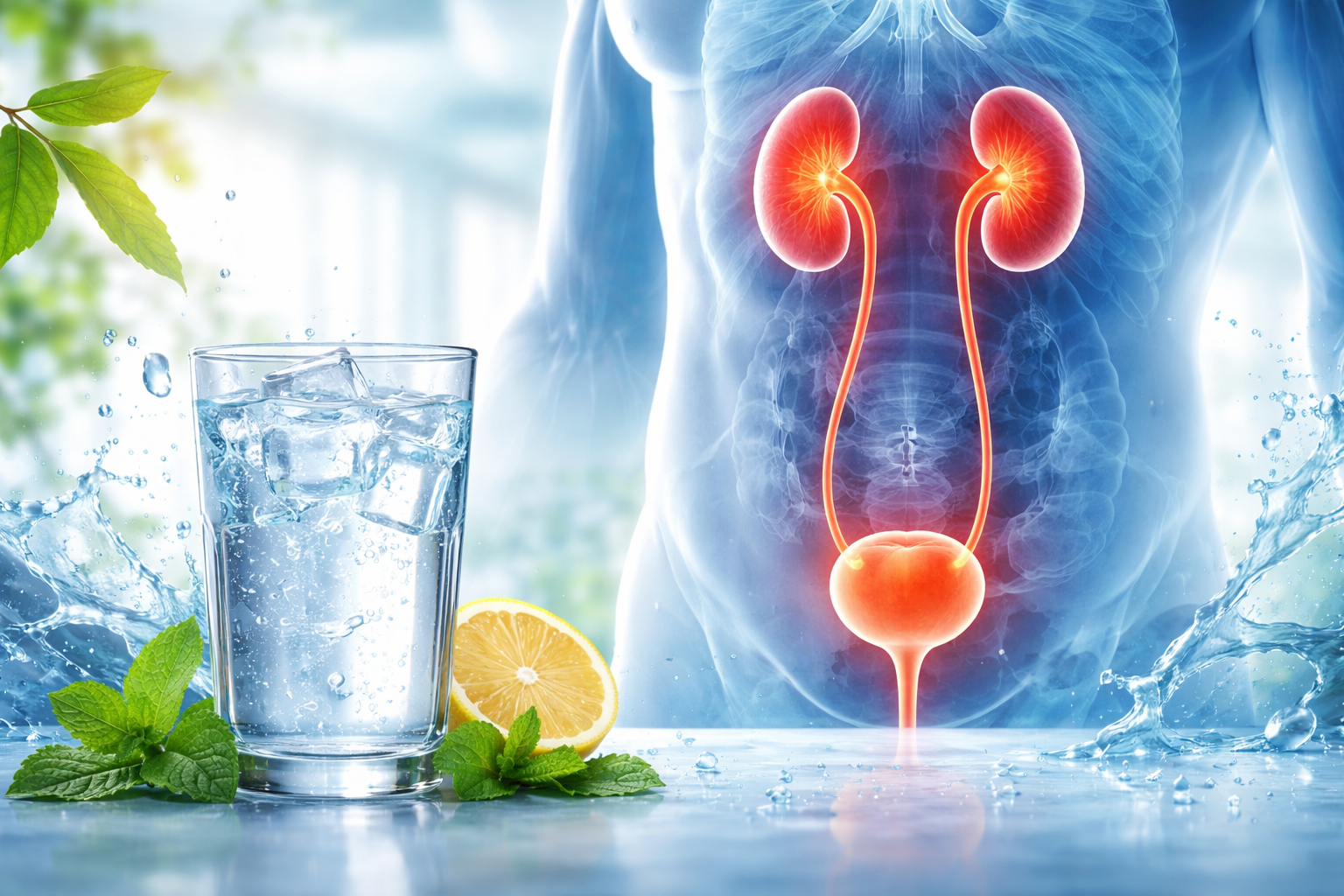
Are you drinking enough water? Learn how hydration affects your urinary system and protects your kidneys, bladder, and overall health.
Your urinary system works quietly in the background, keeping your body clean and balanced every single day.
It filters waste, removes toxins, and regulates fluid levels to keep everything running smoothly. Yet, one simple habit,drinking enough water,plays a much bigger role than most people realize.
Understanding how hydration affects your urinary system can help you protect your kidneys and maintain better overall health with minimal effort.
Understanding the Urinary System
Think of your urinary system as your body’s natural filtration unit.
It includes the kidneys, ureters, bladder, and urethra, all working together to remove waste and maintain fluid balance.
The kidneys filter your blood and produce urine. This urine travels through the ureters to the bladder, where it’s stored until it leaves your body.
Urine isn’t just waste—it’s your body’s way of eliminating toxins and maintaining internal balance.
Why Hydration Is Essential for Urinary Health
Water is essential for every function in your urinary system.
When you stay properly hydrated, your kidneys can efficiently filter waste from your blood. This helps prevent harmful substances from building up.
Hydration also ensures regular urine production, which is key to flushing out toxins and keeping your system clean.
Without enough water, your body struggles to perform these basic but vital tasks.
How Proper Hydration Benefits the Urinary System
a) Supports Kidney Function
Adequate water intake allows your kidneys to do their job effectively.
It helps them filter waste and maintain the right balance of fluids and minerals in your body.
b) Prevents Kidney Stones
Kidney stones can be extremely painful.
Drinking enough water dilutes the minerals in your urine, reducing the chances of crystal formation that leads to stones.
c) Reduces Risk of Urinary Tract Infections (UTIs)
Hydration helps flush bacteria out of the urinary tract.
When water intake is low, bacteria can remain and multiply, increasing the risk of infections.
d) Improves Bladder Health
Concentrated urine can irritate the bladder lining.
Proper hydration keeps urine diluted, helping reduce irritation and supporting overall bladder health.
Effects of Dehydration on the Urinary System
When your body doesn’t get enough water, the urinary system feels the impact quickly.
Urine becomes darker and more concentrated, which is often the first visible sign.
Dehydration increases the risk of kidney stones and urinary tract infections. Over time, it may also affect how efficiently your kidneys function.
Ignoring these signs can lead to more serious health concerns.
How Much Water Do You Really Need?
The common recommendation is around 8–10 glasses of water per day.
However, your actual needs depend on factors like climate, physical activity, and overall health.
For example, hot weather or intense exercise increases fluid loss, meaning you’ll need more water.
A simple way to check your hydration level is by observing your urine color—light yellow usually indicates good hydration.
Signs You’re Not Drinking Enough Water
Your body provides clear signals when hydration levels drop.
Dark yellow urine, strong odor, or infrequent urination are common signs.
You may also experience fatigue, dry mouth, or a general feeling of low energy.
Recognizing these signs early can help you correct your hydration habits before problems arise.
Practical Tips to Stay Properly Hydrated
Building hydration habits can be simple and effective.
Carry a reusable water bottle to make drinking water more convenient throughout the day.
Set reminders if you often forget, especially during busy schedules.
Include water-rich foods like fruits and vegetables in your meals.
Try to limit caffeine and sugary drinks, as they may contribute to dehydration.
When to See a Urologist
Hydration plays a major role, but some symptoms require medical attention.
Consult a urologist if you experience persistent urinary issues, pain during urination, or frequent infections.
Blood in urine or symptoms of kidney stones, such as severe pain, should never be ignored.
Early consultation can help prevent complications and ensure proper treatment.
Conclusion
Maintaining good hydration is one of the simplest ways to support your urinary health.
Knowing how hydration affects your urinary system empowers you to make better daily choices that protect your kidneys and bladder.
Small changes, like drinking more water consistently, can lead to long-term health benefits.
If you have concerns about your urinary health, the experts at Central Hospital Sharjah are always here to guide you with the right care and advice.
Leave a Reply