
Childhood Vaccinations: What Parents Need to Know
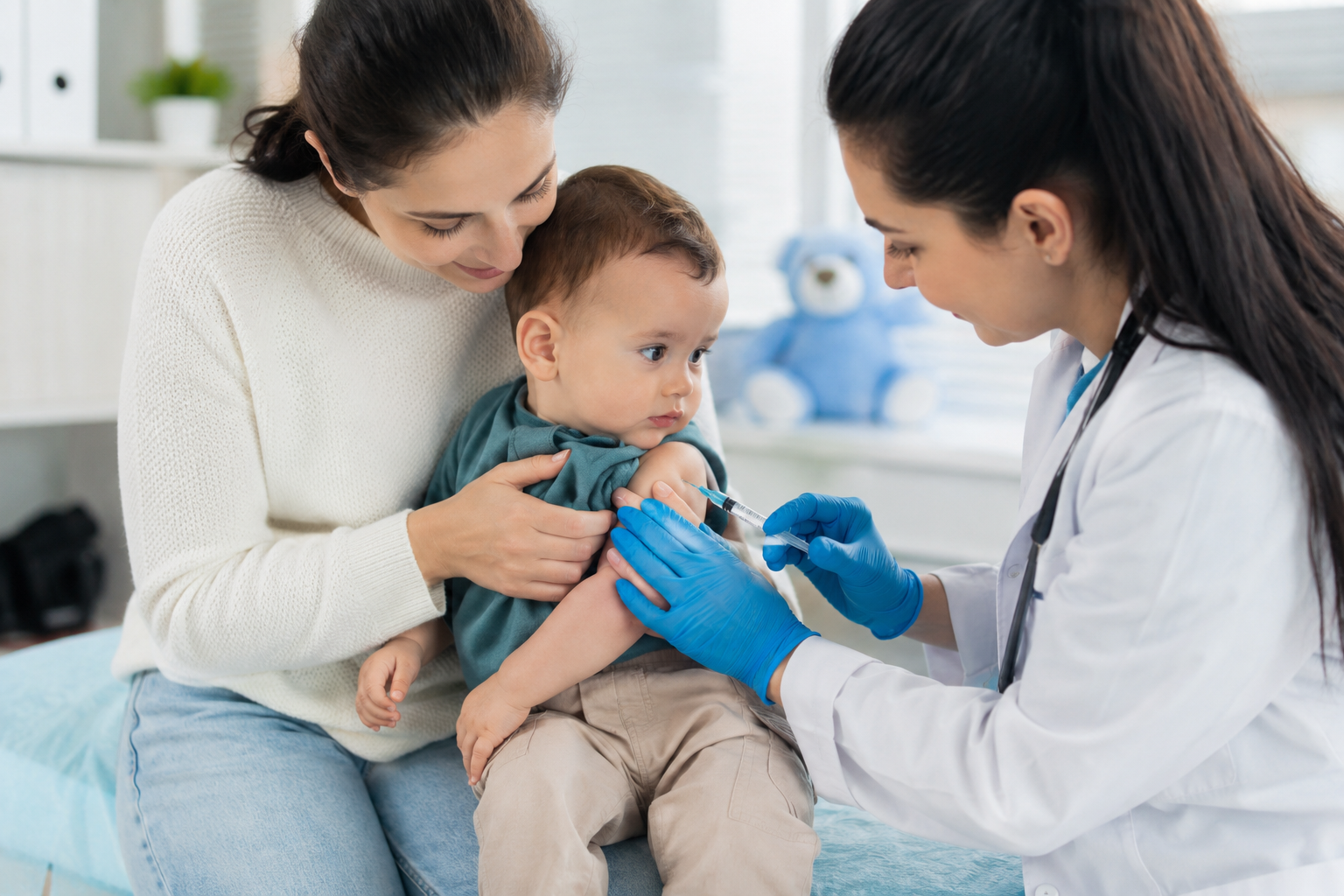
As parents, keeping your child healthy is always a top priority. From nutritious meals to regular checkups, every small step matters. One of the most important ways to protect children from serious illnesses is through Childhood Vaccinations.
Vaccines have helped reduce the spread of dangerous diseases that once affected millions of children worldwide. Diseases like polio, measles, and whooping cough are now far less common because of timely immunization.
Still, many parents have questions. Are vaccines safe? Which vaccines does a child need? What happens if a dose is delayed? Understanding the basics can help parents make informed and confident decisions.
What Are Childhood Vaccinations?
Childhood Vaccinations are preventive medical treatments that help the body fight infections before a child gets sick. Think of vaccines as “practice sessions” for the immune system.
A vaccine introduces a weakened or inactive part of a germ into the body. This teaches the immune system how to recognize and fight the disease in the future.
Unlike medicines that treat illnesses after they happen, vaccines work to prevent diseases before they start. It is similar to wearing a seatbelt before a car ride — protection comes first.
Why Vaccinations Are Important for Children
Children’s immune systems are still developing, making them more vulnerable to infections. Vaccinations help protect them during these crucial growing years.
Vaccines reduce the risk of serious illnesses such as measles, hepatitis, pneumonia, and meningitis. Some of these diseases can lead to long-term complications or hospitalization if left untreated.
Immunization also protects communities. When most children are vaccinated, diseases spread less easily. This is known as herd immunity, and it helps protect babies, elderly people, and those with weaker immune systems.
Timely vaccination also means fewer missed school days, fewer hospital visits, and better long-term health for children.
Common Vaccines Recommended for Children
Vaccines Given at Birth
Some vaccines are recommended immediately after birth to provide early protection.
- BCG vaccine helps protect against severe forms of tuberculosis.
- Hepatitis B vaccine protects the liver from viral infection.
- Polio vaccine helps prevent a disease that can cause paralysis.
Vaccines During Infancy and Early Childhood
As babies grow, they need additional vaccines to build stronger immunity.
- DTP vaccine protects against diphtheria, tetanus, and pertussis.
- MMR vaccine protects against measles, mumps, and rubella.
- Rotavirus vaccine helps prevent severe diarrhea in infants.
- Pneumococcal vaccine reduces the risk of pneumonia and meningitis.
- Chickenpox vaccine protects against varicella infection.
These vaccines are usually given in stages during the first few years of life.
Vaccines for Older Children and Teenagers
Vaccination does not stop after toddlerhood.
Older children may need booster doses to maintain protection. Teenagers may also receive vaccines like the HPV vaccine, which helps prevent certain cancers later in life.
Annual flu vaccines are also recommended for many children, especially during seasonal changes.
Recommended Childhood Vaccination Schedule
Following the recommended vaccination schedule is very important. Vaccines are timed carefully to provide protection when children are most vulnerable.
Pediatricians guide parents through each stage of immunization and explain which vaccines are due during every visit.
Keeping vaccination records updated can save time during school admissions, travel, or medical emergencies. Many parents now use phone reminders or vaccination apps to avoid missing appointments.
Are Vaccines Safe?
This is one of the most common concerns among parents, and the answer is yes. Vaccines go through strict testing and safety checks before approval.
Most side effects are mild and temporary. Children may experience slight fever, redness, or soreness at the injection site for a day or two.
There are many myths about vaccines online, and misinformation can create unnecessary fear. It is always best to rely on qualified pediatricians and trusted medical sources instead of social media rumors.
A helpful way to think about it: a brief moment of discomfort from a vaccine can prevent a serious illness that could affect a child for years.
What Parents Should Expect After Vaccination
After vaccination, some children may feel a little fussy or tired. Mild fever or swelling around the injection area is normal in many cases.
Parents can help by keeping children hydrated, offering comfort, and allowing extra rest. A favorite toy, cartoon, or cuddle session can work wonders after a clinic visit.
However, if a child develops persistent high fever, difficulty breathing, or unusual symptoms, parents should contact a doctor immediately.
What Happens If Vaccinations Are Delayed?
Missing vaccines can leave children unprotected against preventable diseases.
Sometimes delays happen because of travel, illness, or busy schedules. The good news is that catch-up vaccination schedules are available for many children.
Still, timely vaccination remains the safest approach because it protects children at the right age and reduces the chance of disease outbreaks.
Tips for Parents Before and After Vaccination
A little preparation can make vaccination visits easier for both parents and children.
- Carry your child’s immunization record to every appointment.
- Dress infants in comfortable clothing for easier access during injections.
- Stay calm and reassuring because children often sense parental anxiety.
- Follow the pediatrician’s advice about aftercare and future doses.
- Maintain regular health checkups to track growth and development.
Even a small reward after the visit, like a sticker or favorite snack, can make the experience less stressful for younger children.
Conclusion
Childhood Vaccinations play a vital role in protecting children from serious diseases and supporting healthier communities. They help children grow safely while reducing the spread of preventable infections.
Staying informed, following vaccination schedules, and consulting experienced pediatricians can make a big difference in your child’s long-term health.
For trusted pediatric care, vaccination guidance, and compassionate support for your child’s health journey, parents can rely on Central Hospital Sharjah for expert care and personalized attention.
Leave a Reply