
Fracture Care: What to Do Immediately After a Bone Injury
Learn fracture care steps after a bone injury. Know warning signs, first aid tips, and when to seek medical help.
A sudden fall, a sports injury, or even a simple slip on the stairs can lead to a painful bone injury. In that stressful moment, many people panic and ask the same question—“Is it broken, and what should I do now?”
This is where proper Fracture Care becomes extremely important.
A fracture is another word for a broken bone. It can range from a small crack to a complete break that needs urgent medical attention. Acting quickly and correctly can make a big difference in healing and can prevent serious complications later.
Knowing the right first steps helps reduce pain, protect the injured area, and improve recovery time. Let’s understand what to do immediately after a bone injury and when it’s time to visit an orthopedic specialist.
What Is a Fracture?
A fracture happens when a bone breaks because of too much force or pressure. Sometimes it’s obvious, and sometimes it feels like a bad sprain, which makes it easy to ignore.
Fractures can happen for many reasons, including:
- Falls at home or outdoors
- Sports injuries during exercise or games
- Road accidents
- Workplace injuries involving heavy lifting or machinery
- Weak bones caused by osteoporosis, especially in older adults
Even a small fall can cause a fracture if the bones are already weak. That’s why age and bone health also matter.
Common Signs of a Fracture
Not every fracture looks dramatic like in movies where someone yells and holds their arm at a strange angle. Sometimes the signs are subtle.
Here are some common symptoms to watch for:
Sudden and Severe Pain
Pain that starts immediately after an injury and gets worse with movement is a major warning sign.
Swelling and Bruising
The injured area may swell quickly and look bruised within a short time.
Difficulty Moving the Area
If moving your arm, leg, wrist, or ankle feels difficult or impossible, it could be fractured.
Visible Deformity
If the bone looks bent or out of place, seek urgent medical help.
Tenderness When Touched
Pain when gently touching the area can also indicate a fracture.
Inability to Bear Weight
If standing or walking becomes painful after an injury, there may be a fracture in the leg, foot, or hip.
Bone Protruding Through the Skin
This is called an open fracture and needs emergency treatment immediately.
Immediate First Aid Steps After a Bone Injury
The first few minutes after an injury matter a lot. Good Fracture Care starts before you even reach the hospital.
Stay Calm and Stop Movement
Yes, easier said than done.
The first step is to stay calm and avoid moving the injured part. Moving too much can make the injury worse and increase pain.
If someone else is injured, help them stay still and comfortable.
Immobilize the Injured Area
Try to keep the injured area supported.
Use a sling for an arm injury or a splint if available. Even a folded towel or rolled cloth can help in emergencies.
Do not try to straighten the bone yourself. This is not a DIY YouTube tutorial moment.
Leave that to medical professionals.
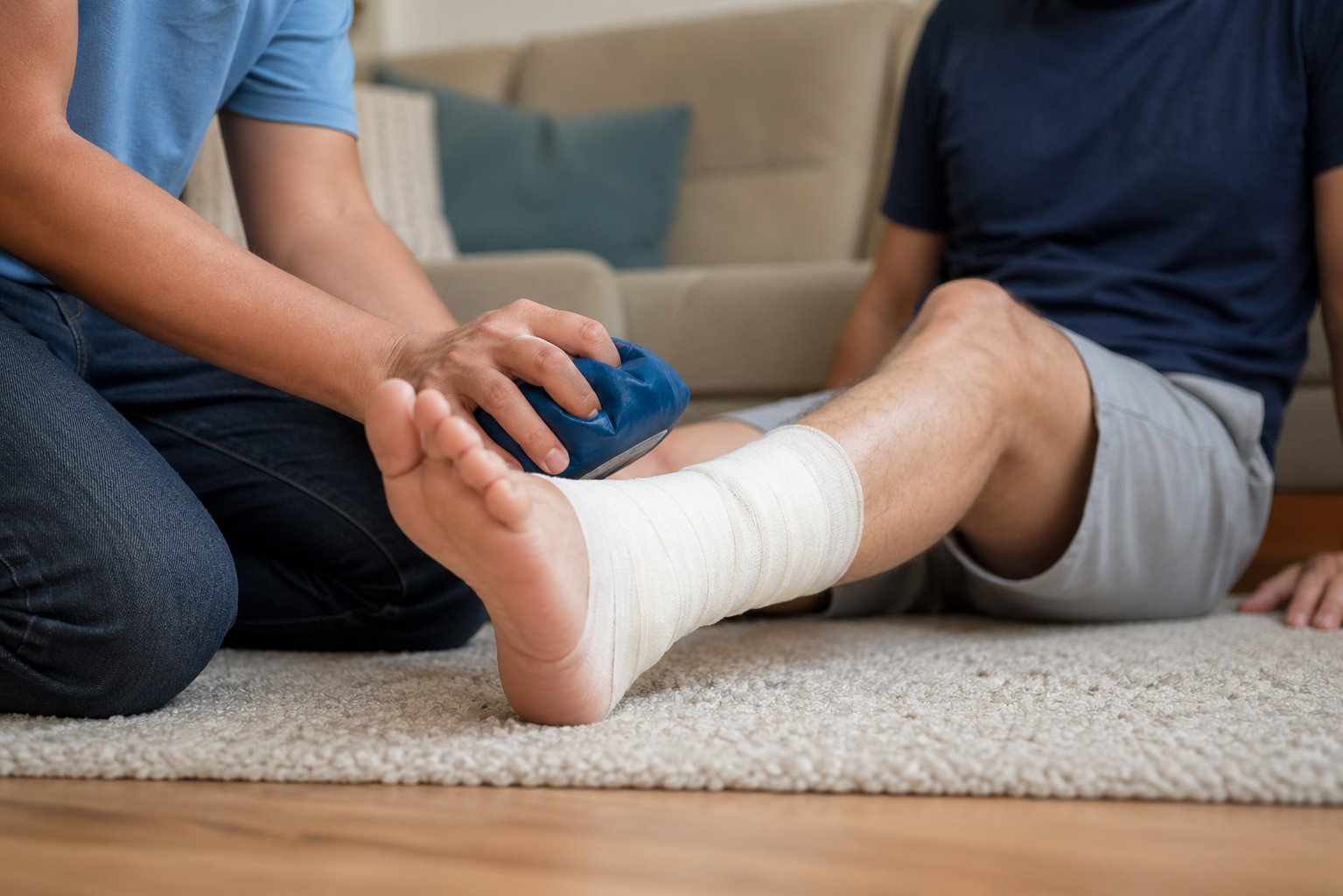
Apply Ice to Reduce Swelling
Ice helps reduce swelling and eases pain.
Wrap ice in a clean cloth and apply it for 15 to 20 minutes at a time. Never place ice directly on the skin.
Think of it as giving the injury a little “cool down” after the chaos.
Control Bleeding if Present
If there is bleeding, use a clean cloth or bandage.
Apply gentle pressure around the wound. If the bone is visible, do not press directly on it.
That needs immediate emergency care.
Elevate the Area if Possible
If safe and comfortable, raise the injured area slightly above heart level.
This helps reduce swelling and may ease pain.
Seek Emergency Medical Help
If the pain is severe, the bone looks out of place, or the injury involves an open wound, get medical help immediately.
Even if you are unsure, it is always better to get checked than to guess.
Your bones deserve better than “I’ll just wait and see.”
What Not to Do
Sometimes what you should not do is just as important.
Avoid these common mistakes:
- Do not push the bone back into place
- Do not massage the injured area
- Do not ignore swelling or severe pain
- Do not delay visiting a doctor
Many people assume it’s “just a sprain” and wait too long. That delay can make treatment harder.
Medical Treatment for Fractures
Once you reach the hospital, the doctor will examine the injury and usually recommend an X-ray to confirm the fracture.
Treatment depends on the type and severity of the break.
Casting or Splinting
For simple fractures, a cast or splint helps keep the bone in the correct position while it heals.
Surgery if Required
Some fractures need surgery, especially if the bone is badly displaced or broken into multiple pieces.
Metal plates, screws, or rods may be used to support healing.
Pain Management
Doctors may prescribe pain relief medicines to help you stay comfortable during recovery.
Rehabilitation and Physiotherapy
Healing doesn’t end when the cast comes off.
Physiotherapy helps restore strength, movement, and flexibility so you can return to normal activities safely.
Recovery Tips for Faster Healing
Healing takes time, but a few smart habits can make recovery smoother.
Follow Your Doctor’s Instructions
Skipping advice because “it feels fine now” usually ends badly.
Follow medical guidance carefully.
Get Enough Rest
Your body heals best when you give it proper rest.
No superhero moves for a while.
Eat a Bone-Friendly Diet
Include foods rich in calcium and vitamin D like milk, yogurt, leafy greens, eggs, and fish.
Your bones need fuel too.
Avoid Pressure Too Soon
Putting weight on the injured area too early can delay healing or cause re-injury.
Patience is part of treatment.
Attend Follow-Up Appointments
Regular check-ups help your doctor track healing and make sure recovery is going in the right direction.
When to Visit an Orthopedic Surgeon
Sometimes the injury seems minor, but the pain tells a different story.
You should see an orthopedic surgeon if you have:
- Persistent pain after an injury
- Difficulty moving the limb
- Swelling that does not improve
- Suspected fracture without obvious signs
- Delayed healing or repeated injuries
Early diagnosis often means easier treatment and better results.
Conclusion
Quick action matters when it comes to Fracture Care.
Knowing what to do immediately after a bone injury can reduce pain, prevent complications, and support faster healing. Simple first aid steps like immobilizing the area, applying ice, and seeking medical help can make a huge difference.
Ignoring the injury or delaying treatment can turn a small problem into a bigger one.
At Central Hospital Sharjah, our orthopedic specialists provide expert diagnosis, advanced treatment, and complete support for safe recovery. If you suspect a fracture, don’t wait—early care is always the smarter move.
Leave a Reply