
Slip Disc, Sciatica, and Chronic Back Pain: Orthopaedic Treatment Options
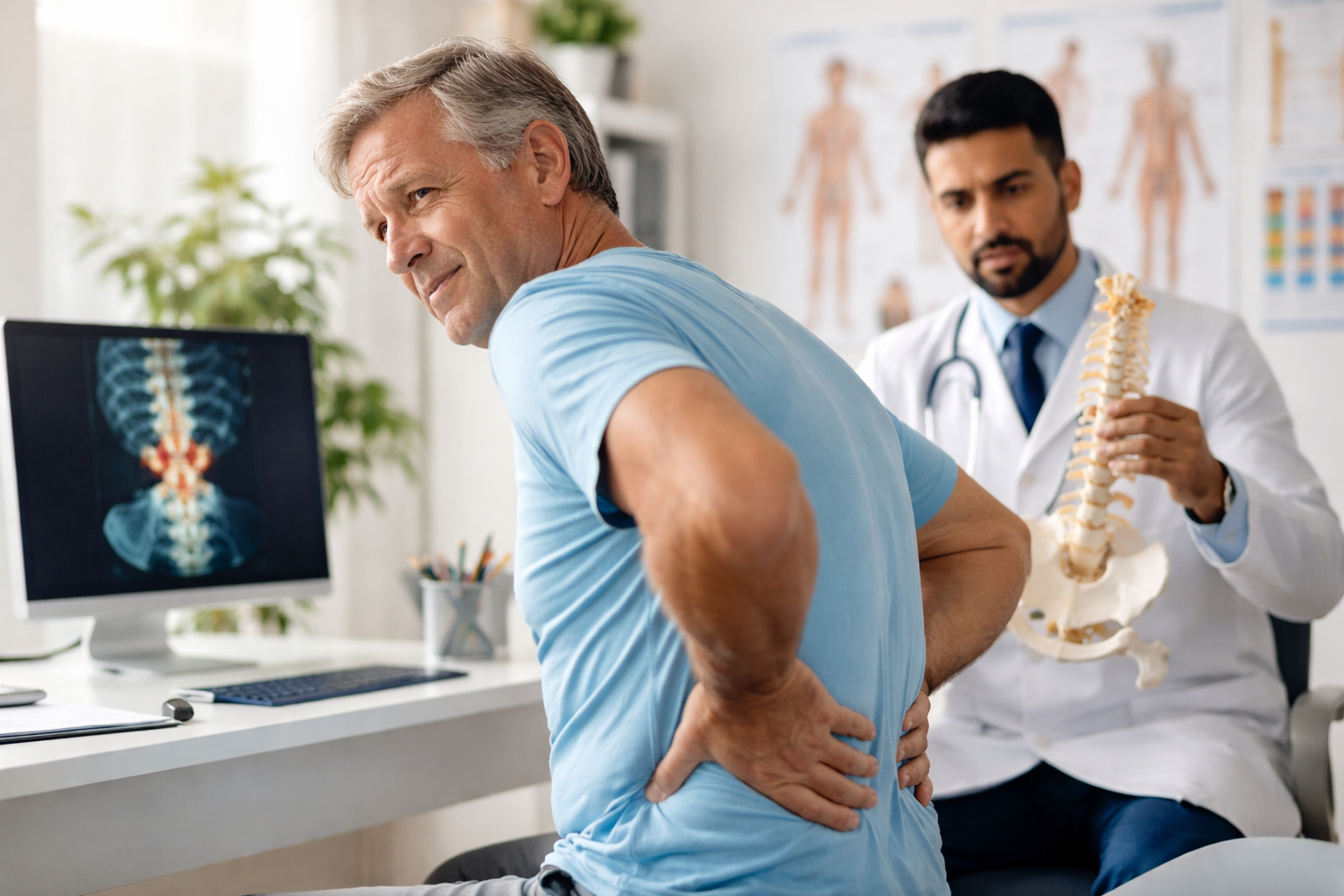
Slip disc, sciatica, or chronic back pain? Discover effective orthopaedic treatment options for long-term relief and better spine health.
Back pain has a way of sneaking into daily life. One day it’s a mild ache, and the next, you’re thinking twice before bending down to tie your shoes. At Central Hospital Sharjah, we see many people dealing with slip disc, sciatica, and chronic back pain—and the good news is, effective help is available.
Ignoring back pain is like ignoring a warning light on your car dashboard. It might seem fine for a while, but the problem often grows worse. With timely orthopaedic treatment, many patients regain comfort, movement, and confidence in their daily lives.
Understanding Common Spine Conditions
What Is a Slip Disc?
A slip disc happens when the soft cushion between the spinal bones bulges or ruptures. This can press on nearby nerves and cause pain.
It often develops due to ageing, sudden injury, poor posture, or lifting heavy objects the wrong way. Yes, that awkward gym lift or office chair matters more than you think.
What Is Sciatica?
Sciatica isn’t a condition—it’s a symptom. It refers to pain that travels along the sciatic nerve, usually from the lower back down one leg.
In many cases, a slip disc or spinal narrowing compresses the nerve, leading to sharp, shooting pain that feels like an electric shock.
What Is Chronic Back Pain?
Acute back pain fades within weeks. Chronic back pain sticks around for more than three months.
It may result from untreated injuries, disc problems, arthritis, or long-term muscle strain. When pain becomes part of daily life, it’s time to look deeper.
Common Symptoms to Watch For
- Ongoing pain in the lower back or neck
- Pain spreading to the legs or arms
- Numbness, tingling, or muscle weakness
- Difficulty sitting, standing, or walking for long periods
If these symptoms sound familiar, your body is asking for attention.
Causes and Risk Factors
Modern life doesn’t help our spines much. Long hours at desks, minimal movement, and screen time all add up.
Sports injuries, road accidents, age-related degeneration, excess weight, and weak core muscles can also increase your risk. Even stress plays a role—tight muscles love to hold tension.
Diagnosis by an Orthopedic Specialist
At Central Hospital Sharjah, diagnosis starts with listening. Your orthopaedic specialist will review your symptoms and medical history.
A physical exam checks posture, strength, and nerve response. Imaging tests like X-rays or MRI scans reveal what’s happening inside. In some cases, nerve studies help pinpoint the problem.
Non-Surgical Orthopaedic Treatment Options
Surgery isn’t always the first step. Many patients improve with conservative orthopaedic treatment.
Pain-relief medications and anti-inflammatories reduce discomfort. Physiotherapy strengthens muscles and improves flexibility. Simple posture changes—like fixing how you sit at work—can make a big difference.
For stubborn pain, targeted spinal injections may calm inflammation and provide lasting relief.
When Surgery Is Recommended
Surgery becomes an option when non-surgical care doesn’t work or symptoms worsen.
Severe nerve compression, muscle weakness, or reduced quality of life are strong signals. The goal is always to relieve pain and protect long-term mobility.
Surgical Treatment Options for Spine Conditions
Modern spine surgery is far less intimidating than it used to be.
Minimally invasive procedures use smaller incisions and promote faster recovery. Discectomy or microdiscectomy removes the portion of the disc pressing on nerves. Laminectomy or decompression procedures create more space for nerves to heal.
Advanced techniques mean less pain, shorter hospital stays, and quicker returns to normal life.
Recovery and Rehabilitation
Recovery doesn’t end after treatment. Proper care matters.
Physiotherapy helps restore movement and prevent future problems. Most patients return to daily activities gradually, following a personalised recovery plan. Think of it as training your spine for a comeback tour.
Preventing Future Back Problems
Good habits protect your spine long-term.
Maintain ergonomic posture at work and home. Stay active with regular stretching and exercise. Keep a healthy weight to reduce spinal pressure, and avoid sudden, heavy lifting when possible.
Your back will thank you later.
When to Consult an Orthopaedic Surgeon
Seek help if pain lasts more than a few weeks, worsens, or affects daily activities.
Early diagnosis often means simpler treatment and faster recovery. At Central Hospital Sharjah, expert care focuses on long-term spine health—not just temporary relief.
Conclusion
Slip disc, sciatica, and chronic back pain don’t have to control your life. From non-surgical care to advanced procedures, effective orthopaedic treatment options are available.
With the right guidance and timely care, relief is possible. If your back keeps holding you back, it may be time to take the first step toward expert orthopaedic care and a more comfortable future.
Leave a Reply