
Fever in Children: Expert Tips on When to Worry and When to Relax
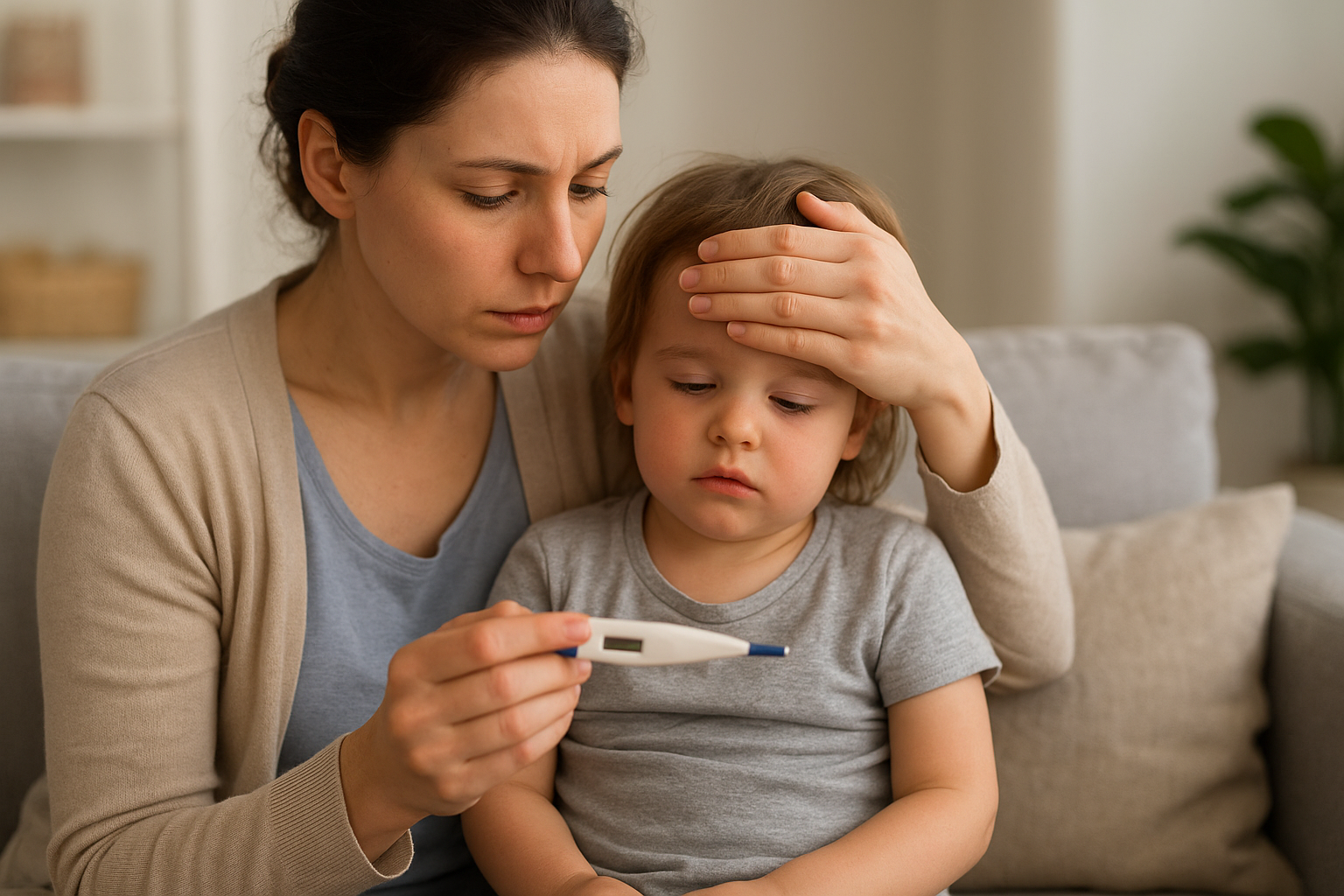
Worried about your child’s fever? Learn when to stay calm, when to seek help, and how to manage Fever in Children with expert pediatric tips.
If you’re a parent, you already know this: nothing raises your stress levels like your child suddenly feeling hot. Fever is one of the most common reasons parents rush to see a paediatrician. But here’s the good news—most fevers aren’t emergencies. In fact, a fever is often the body’s way of fighting off an infection.
Think of it as your child’s internal defence team turning up the heat to keep germs away. Understanding how Fever in Children works can help you stay calm and make the right decisions at the right time.
What Is Considered a Fever in Children?
A normal body temperature usually sits around 36.5°C to 37.5°C. Anything above that can be considered a fever.
Here’s a quick breakdown:
- Mild fever: 37.6°C – 38.0°C
- Moderate fever: 38.1°C – 39.0°C
- High fever: Above 39.0°C
How you measure the temperature matters too.
- Oral thermometers work well for older kids.
- Underarm (axillary) checks are common but slightly less accurate.
- Rectal readings are the most accurate for babies.
A fun fact? Sometimes parents panic because the child’s temperature “feels high,” but touch alone can be misleading—always confirm with a thermometer.
Why Do Children Get Fever? Common Causes
Kids pick up infections faster than adults because their immune systems are still growing. That’s normal!
Common reasons include:
- Viral infections like colds, flu, or RSV
- Bacterial infections such as tonsillitis, ear infections, or pneumonia
- Teething (which raises temperature slightly but doesn’t cause real fever)
- Post-vaccination reactions, which often settle quickly
Children are curious explorers, touching everything in sight—so infections happen.
Signs Your Child Is Doing Okay (When to Relax)
This is the part parents love: sometimes, you can simply monitor at home.
Your child is likely fine if:
- They’re active, eating, and drinking reasonably well
- The fever drops after medication
- They’re sleeping normally
- There are no worrying symptoms
For example, if your child has a mild fever but is still busy playing with their toys like nothing happened—you’re probably in the clear.
When to Worry: Red Flags Parents Should Not Ignore
While fever is usually harmless, some signs mean you should act fast.
Seek medical help if:
- Your baby is under 3 months old—any fever at this age is serious
- Fever lasts more than 48–72 hours
- They have difficulty breathing
- A rash appears suddenly
- There’s persistent vomiting
- They experience seizures
- They’re extremely lethargic or irritable
- They show signs of dehydration (dry mouth, fewer wet diapers, sunken eyes)
If any of these happen, don’t wait it out—your pediatrician needs to see your child.
How to Manage Fever at Home (Pediatrician-Approved Tips)
You can do a lot at home to keep your child comfortable.
Here are simple, safe tips:
- Give fever medicines like acetaminophen or ibuprofen in the correct dose.
- Keep your child well hydrated with water, ORS, soups, or juices.
- Dress them in light clothing—overdressing traps heat.
- Use lukewarm sponge baths only; avoid cold water, ice, or rubbing alcohol.
- Let your child rest—but entertainment like cartoons is totally allowed.
And yes, the old myth of “sweating out the fever” by bundling them up? Please skip it—it does more harm than good.
When to Visit a Pediatrician in Sharjah
In Sharjah, fever spikes are common during seasonal changes, viral outbreaks, and humid months when infections spread faster.
You should visit a pediatrician when:
- Your child’s symptoms don’t improve
- Fever keeps coming back
- You’re unsure of the cause
- You want peace of mind (totally understandable!)
At Central Hospital Sharjah, our pediatricians provide accurate diagnosis, gentle care, and personalized treatment plans. We support parents with clear guidance so you never feel alone while caring for your child.
Preventing Fevers: What Parents Can Do
You can’t prevent all fevers, but you can reduce the risks:
- Keep vaccinations up to date
- Teach handwashing habits early
- Offer a balanced diet to boost immunity
- Limit exposure to sick contacts
- Encourage physical activity and good sleep routines
These small steps go a long way in keeping fevers at bay.
Conclusion
Fever in children can be scary, but with the right information, you can stay confident and calm. Most fevers pass with simple care at home, but it’s important to know when to seek help.
If you ever feel unsure, our pediatric team at Central Hospital Sharjah is here to guide you with expert care and a warm, family-friendly approach.
Leave a Reply